
 English
  Español
  Français
 When to Use Organic Tumbling Media (Corn Cob & Walnut Shell)
Organic tumbling media is a popular choice when you need gentle cleaning, light polishing, or drying without scratching delicate surfaces. Unlike synthetic media, organic media is made from natural materials and is most commonly used as dry tumbling media.
The two most widely used organic options are walnut shell media and corn cob media. They belong to the same “soft media” family, but they are chosen for different reasons and applications.
Key Features of Organic Tumbling Media
Organic media is typically available in small particle sizes, making it ideal for parts that are sensitive to scratches or cosmetic damage.
- Gentle on delicate surfaces – helps reduce the risk of scratches and dull marks.
- Great for light cleaning – removes dust, residue, and light surface contamination.
- Can polish with additives – when mixed with a suitable polishing compound, it can improve shine on metals such as steel and aluminum.
- Absorbs liquids – useful for soaking up water, oil, or grease, especially after wet processes.
Because of these traits, organic media is commonly used for items like jewelry, decorative parts, and components that require a clean, bright appearance without aggressive cutting.
When to Use Corn Cob Tumbling Media
Corn cob media is a dry, soft cleaning media that works especially well when you want a non-abrasive, surface-safe process.
Best for
- Cleaning delicate parts without scratching
- Removing dirt and light coatings while protecting surface finish
- Absorbing oils/grease from parts and surfaces
- Drying wet parts after rinsing or washing
Corn cob is also a more eco-friendly option because it’s biodegradable and generally safe to handle in typical shop environments.
Service life
In many production cases, corn cob media can be reused for approximately around 15 cycles before performance drops and replacement is recommended.
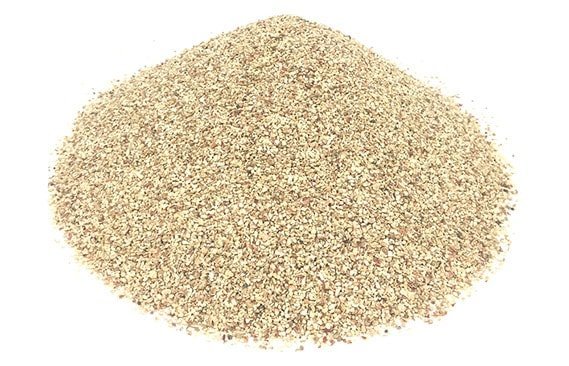 Corn cob tumbling media
When to Use Walnut Shell Tumbling Media
Walnut shell media is made from crushed walnut shells and is often considered a soft abrasive. It can be supplied in treated or untreated forms. Treated walnut shell media commonly includes (or is used with) polishing compounds.
Best for
- Cleaning and polishing delicate items (especially jewelry and cosmetic parts)
- Removing paint or coatings from metal or plastic parts with a gentle action
- Plastic or aluminum mold finishing when you need defect removal without aggressive cutting
- Absorbing residual liquids similar to corn cob media
Walnut shell media is also cost-effective and biodegradable, and it can be reused—though the usable life is still limited because it’s an organic material.
Service life
Walnut shell media may last up to around 20 cycles depending on contamination level, part material, and process settings.
 Walnut shell tumbling media
Corn Cob vs. Walnut Shell: Quick Selection Guide
- Choose corn cob when your top priorities are gentle cleaning, drying, and oil/grease absorption.
- Choose walnut shell when you need soft abrasive action for coating removal, light defect removal, or polishing with compound.
Conclusion
Organic tumbling media is the right solution when your process needs to be surface-safe, low-aggression, and clean. Corn cob media excels at cleaning and drying, while walnut shell media provides a bit more “bite” for coating removal and polishing support.