
 English
  Español
  Français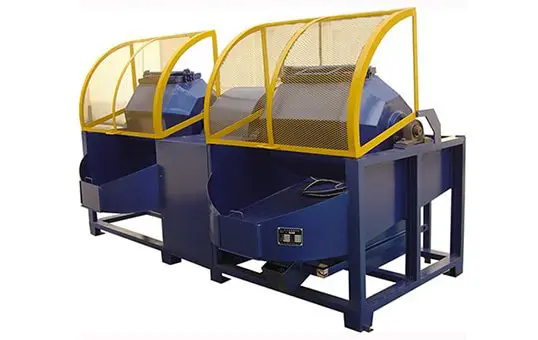
A double-barrel rotary tumbler supports high part volume and enables efficient batch processing.
World-Class Barrel Tumbling Machines Mass Finishing Equipment Manufacturer in China
Smooth Stop Brake Motor: Controlled stop for safer, steadier operation.
Double Safety Protection: Dual-layer safeguards for operator safety.
Timer & Alarm Option: Set cycle time with end-of-cycle alert.
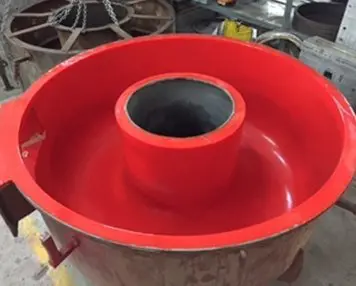
Abrasive-Resistant PU Lining: Durable lining for long service life.
GETan Instant Quote


Inovatec Machinery Your High Quality Barrel Tumbling Machine Producer in China
The barrel tumbling machine from Inovatec machinery is one of the economical solutions for mass finishing needs. It is also called barrelling machine or industrial rotary tumbler. It needs only a single user to operate and is easy to use. The noise produced by this machine is less when compared to the popular vibratory finishing machines. So, you can even run the machine overnight.
Barrel tumbling machine suitable for pebble stone tumbling, laser cut parts deburring, eyeglass frame polishing, etc.
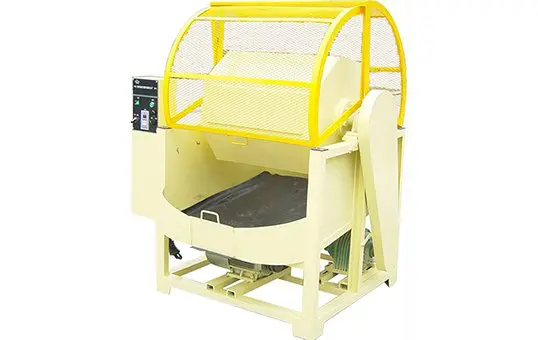
Smooth, stable deburring, finishing, and cleaning are ensured with standard octagonal and hexagonal barrel tumblers.
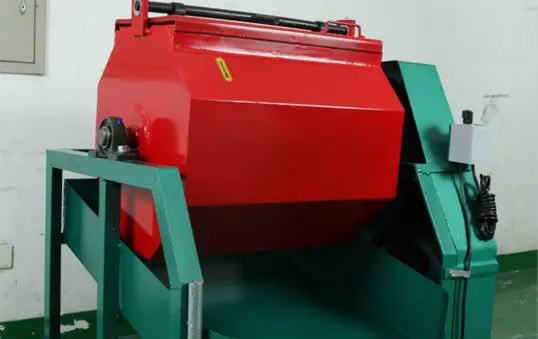
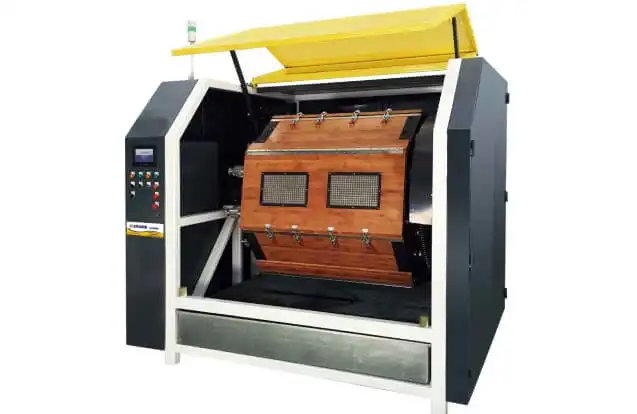
A big rotary tumbler is ideal for polishing high-value parts, delivering a mirror-like finish with minimal part-to-part collision. It’s commonly used for spectacle frames, sanitary hardware, medical components, and door handles.
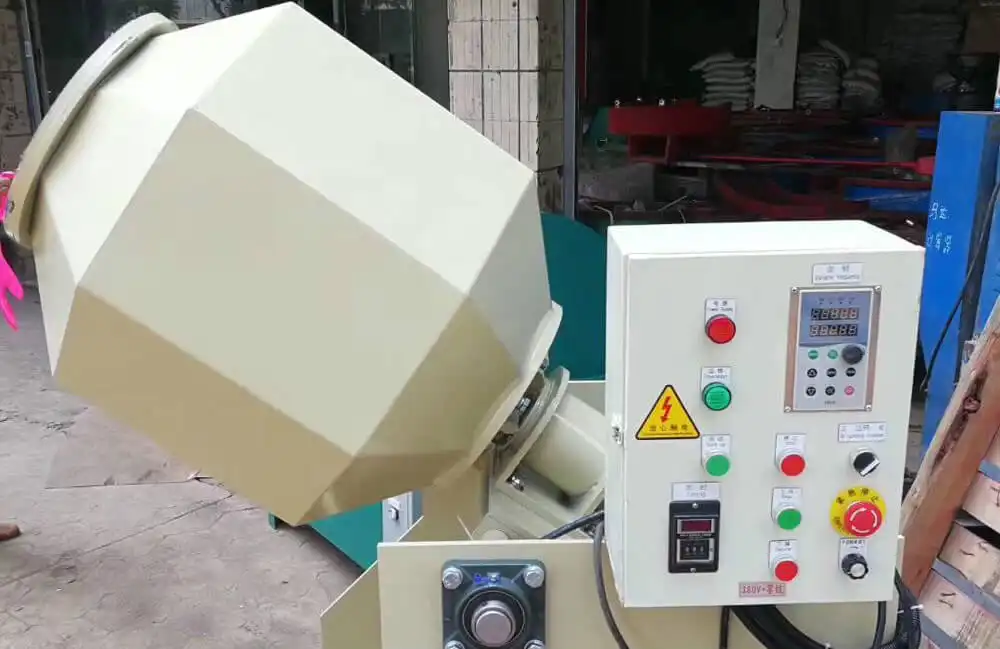
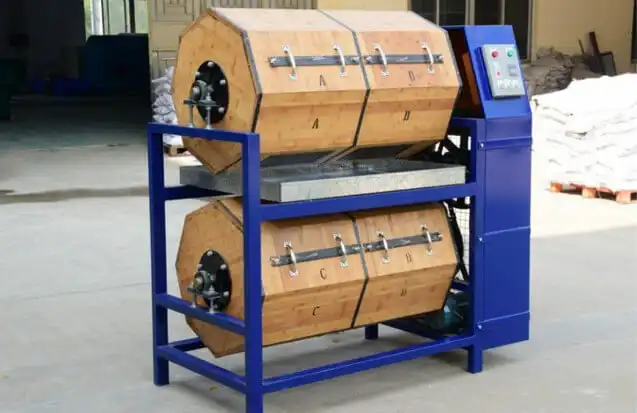
An ideal barrel tumbler for small to medium parts, allowing in-process inspection while running. Commonly used for finishing glass frames and buttons.
Optional Design & Setting
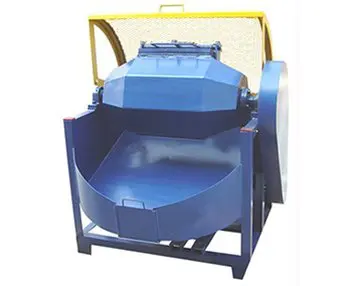
The olive-shaped rotary barrel speeds up processing versus a standard horizontal barrel by combining folding and sliding action.
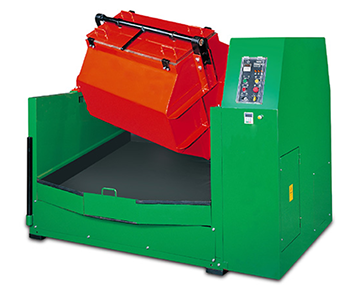
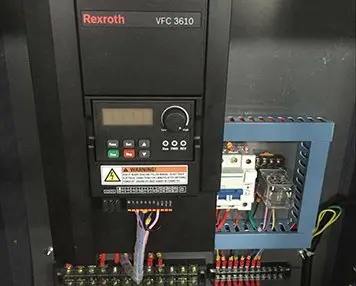
Bosch Rexroth VFD helps to control the rotational speed of the barrel in the range of 0 to 30 rpm in both forward and backward directions.
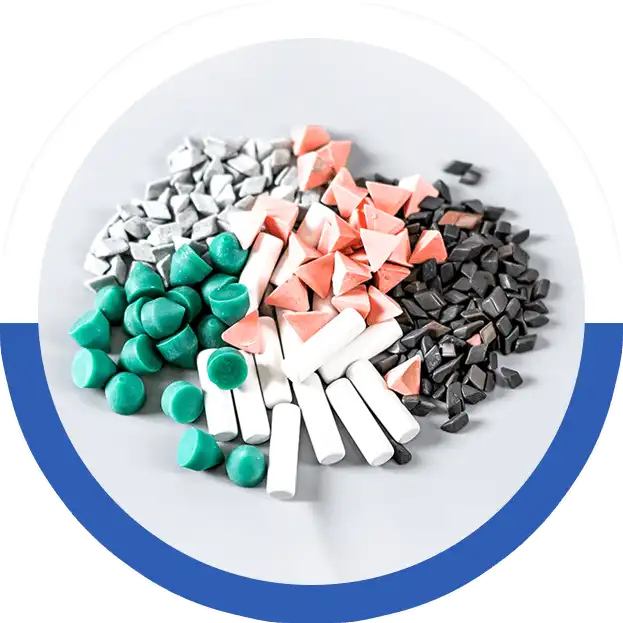
Mass Finishing Media
Inovatec machinery offers a different variety of barrelling media for cleaning, finishing, and deburring purpose. The different options include plastic media, stainless steel media, ceramic media, and organic media.

Inovatec Machinery – Leader in Barrel Tumbling Manufacturing & Supply from China
Supports Edge Radiusing: Ideal for stainless steel parts.
Economical Solution: Cost-effective finishing option.
Consistent Results: Stable deburring and polishing quality.
Low-Pressure Abrasion: Gentle process flow for controlled material removal.
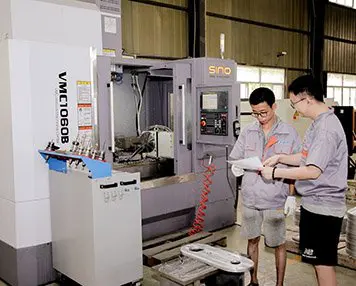
- Factory
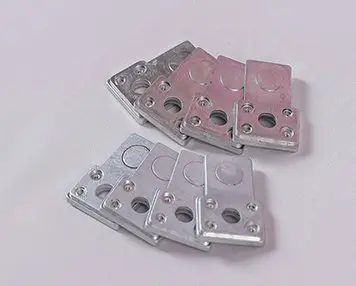
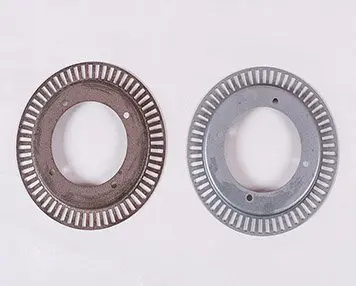
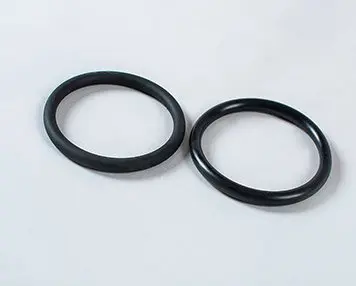
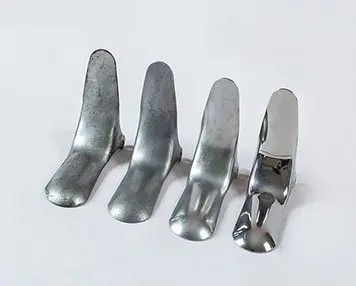
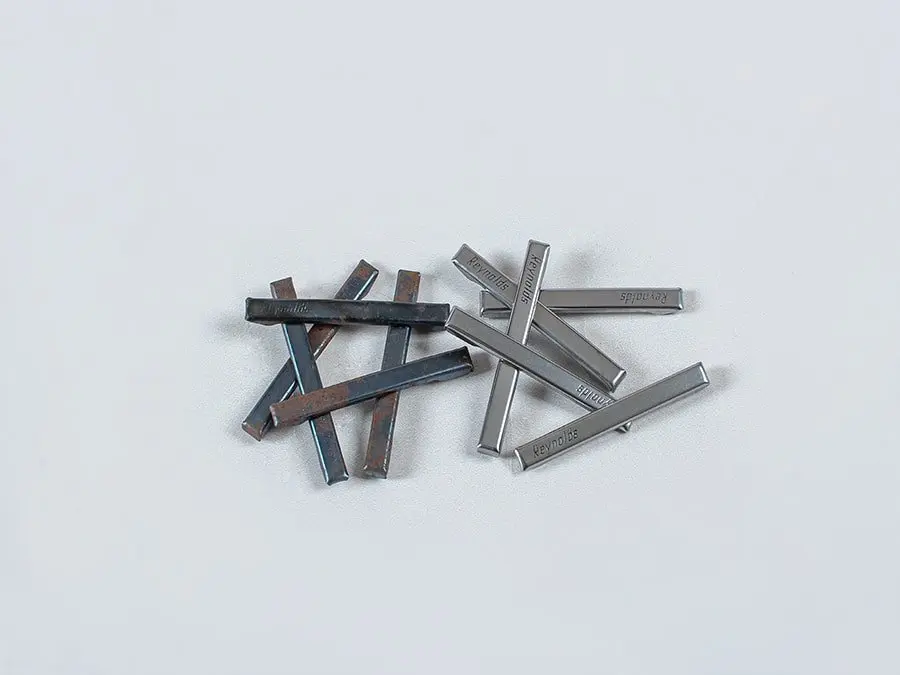
- Before and After

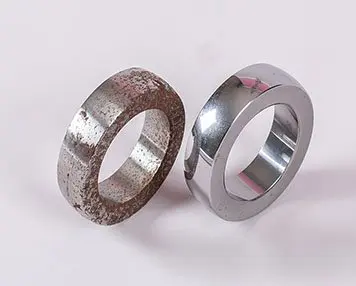
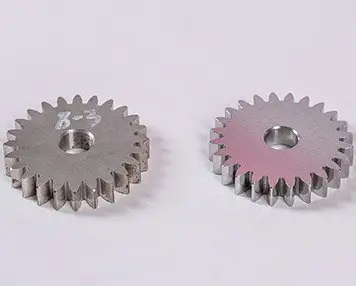
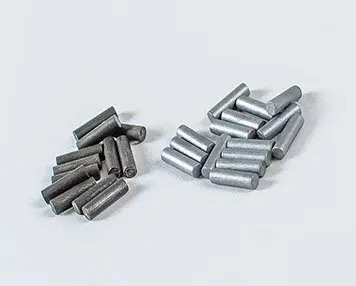
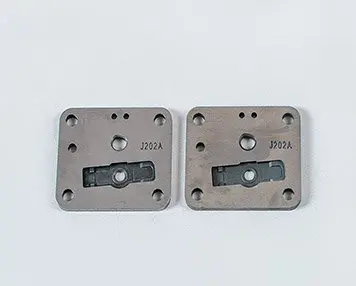
Frequently Asked Question
How long do you need to prepare the barrel tumbler machine?
Our production lead time is typically 15–25 days, depending on the barrel tumbler requirements. For urgent orders, we will do our best to meet your requested shipment schedule. Standard models are usually faster to produce than customized designs.
What is your payment term?
Payment terms: 30% deposit to start production and 70% balance before shipment. For CIF orders, we can accept 70% balance against shipping documents. To protect buyers, we also accept PayPal and Alibaba Trade Assurance.
Where is your nearest port?
The nearest ports to our factory are Shanghai, Ningbo, and Yiwu. We can arrange delivery to these ports with our own logistics. We can also ship to other locations where you prefer to load the container.
Can you help us to put other item load to the container?
Yes, if you buy from other factories, we can help to load the container in our factory. You can make the delivery to our factory.
How can we check products quality before shipment?
If you can’t visit for inspection, we can provide videos and photos for your confirmation. You may also arrange a third-party inspection to verify machine performance. We will fully cooperate and provide a detailed inspection report.

Rotary Barrel Tumbling Machine

Rotary barrel tumblers can also be used for rock tumbling. Most finishing programs require 2–3 stages, and the machine supports high-volume batch processing with added stress relief during operation.
With a low tumbling speed (typically 10–30 rpm), parts are protected from damage caused by impact, making it suitable for fragile parts. It supports both wet and dry finishing—dry finishing is recommended for plastics and wooden parts.
Why our barrel tumblers are popular:
Safety cover for operator protection
Stepless VFD speed control
Durable PU lining for long service life
Optional automatic timer
Forward and reverse rotation
Inovatec offers two main barrel designs: hexagonal and olive (triple-action polygonal). For faster processing, we recommend the olive barrel.
With 20+ years of manufacturing experience, we deliver reliable quality and long-term support—providing not only the machine, but also a complete finishing solution for efficient production.
We will support you with the appropriate tumbling media and polishing compounds.
You can always message us to get free advice.
Barrel Tumbling Machine FAQ Guide
- 1. What Is A Barrel Tumbling Machine?
- 2. Explain The Working Of A Typical Barrel Tumbler Finishing Machine?
- 3. What Are The Various Varieties Of Polishing Drum Machines?
- 4. What Are The Important Parts & Elements of A Standard Industrial Barrel Tumbling Machine?
- 5. What Are The Two Types Of Tumbling Techniques That Are Employed In A Typical Barrel Tumbling Machine?
- 6. What Is The Role Of The Tumbling Media In The Functioning Of A Barrel Tumbling Machine?
- 7. What Are Some Handy Tips That Will Help To Improve The Finishing Using A Barrel Finishing Machine?
- 8. How Different Is A Barrel Tumbling Machine From A Vibratory Finishing Machine?
- 9. What Are The Different Ways By Which We Can Get Better Finished Parts From A Barrel Tumbling Machine?
- 10. What Functionalities Does A Barrel Finishing Machine Offer?
- 11. What Are The Typical Applications Of A Barrel Tumbling Machine?
- 12. What Is The Advantage Of Using A Barrel Tumbler Machine For Mass Finishing?
- 13. What Limitations Does A Barrel Tumbler Machine Have?
- 14. How To Improve The Life Of The Barrel Tumbler Machine?
- 15. What To Look For While Buying A Barrel Tumbling Machine?
1. What Is A Barrel Tumbling Machine?
Barrel tumbling machines are a popular mass finishing solution from Inovatec. Parts are processed inside rotating barrels, and the number of barrels varies by model—standard machines typically feature 6 or 8 barrels.
These barrels can perform multiple finishing processes, including deburring, degreasing, descaling, burnishing, deflashing, and polishing. Barrel speed is programmable, and the system is easy to operate and cost-effective compared with many other finishing methods.
Although cycle times are generally slower, barrel tumblers deliver an excellent surface finish and are suitable for delicate parts, such as jewelry.

2. Explain The Working Of A Typical Barrel Tumbler Finishing Machine?

A barrel tumbler can perform multiple finishing processes, including surface smoothing, edge rounding, deburring, and burnishing—essential steps after manufacturing and before further surface treatments.
Parts, media, compounds, and water are loaded into the barrel. During rotation, parts contact the media, and controlled friction removes material to achieve the desired finish. Final results depend on cycle time, machine type, media and compound selection, parts-to-media ratio, rotation speed, and water level.
3. What Are The Various Varieties Of Polishing Drum Machines?

4. What Are The Important Parts & Elements of A Standard Industrial Barrel Tumbling Machine?
Key Components of a Standard Barrel Tumbler
Machine
Barrel: The main chamber where parts, media, compound, and water are processed. Optional linings (e.g., wood, urethane/PU, PVC, rubber) cushion the load, protect parts/media, and extend barrel life. Available as open or closed (sealed/waterproof) barrel designs.
Motor: Drives barrel rotation for the tumbling action.
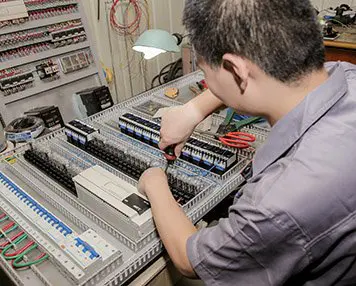
Electrical Control Panel: Integrated or standalone panel for operation and parameter settings (speed, time, direction, etc.).
Water (Wet Processing)
Cleans parts, reduces friction, controls material removal, and improves lubrication and impact cushioning.
Media
Abrasive or polishing media selected based on part material, geometry, and required finish; provides the cutting/rubbing action.
Compound
Liquid or solid additive used to improve cleaning, prevent corrosion, and enhance brightness—chosen based on the required end result.
5. What Are The Two Types Of Tumbling Techniques That Are Employed In A Typical Barrel Tumbling Machine?
The right machine, media, and process selection are key to achieving the required surface finish. Barrel tumbling is mainly performed in two ways: dry tumbling and wet tumbling.
Dry Tumbling
Dry tumbling uses no liquid. Parts and media run together, and dry compounds (organic or inorganic) may be added when needed.
Wet Tumbling
Wet tumbling uses water or liquid compounds mixed with parts and media. Water level is typically controlled (often up to about 50% of the barrel volume). More water reduces cutting action, while less water increases material removal. For burnishing, use a balanced mix of water and the parts/media load.
6. What Is The Role Of The Tumbling Media In The Functioning Of A Barrel Tumbling Machine?
Tumbling media is essential in barrel finishing—without media, the process is ineffective. Media selection depends on the application (e.g., deburring vs. polishing) and the workpiece material (plastic vs. metal, soft vs. hard metals), so it must be changed accordingly.
Maintain the correct media-to-parts ratio. For large or complex parts, use a higher media load to ensure proper contact and consistent results.
7. What Are Some Handy Tips That Will Help To Improve The Finishing Using A Barrel Finishing Machine?
Media shape, size, and type should match the part’s material, geometry, and complexity. Choose media small enough to pass through part slots and cavities to avoid media lodging and difficult cleaning.
Larger media: faster cutting
Smaller media: lighter cutting for delicate work
Aluminum oxide media: effective for deburring and honing
Ceramic media: consistent shape/size and typically higher cutting rate
Plastic media: ideal for soft metals (e.g., aluminum) and gentle on parts from die-casting, machining, 3D printing, or forging
For efficient finishing, use a media-to-parts ratio of 3:1 or higher.
8. How Different Is A Barrel Tumbling Machine From A Vibratory Finishing Machine?
Barrel tumblers and vibratory finishers are both widely used for batch finishing processes such as descaling, deburring, polishing, edge breaking/radiusing, cleaning, and surface preparation. Key differences include:
Cutting aggressiveness: Barrel tumblers remove material more aggressively—better for tougher metals and heavier stock removal.
Media use: Vibratory finishers commonly use ceramic (for hard parts like stainless steel) and plastic (for soft parts like aluminum) media, helping reduce part-to-part impact.
Cost: Vibratory finishers are generally more expensive than barrel tumblers.
Space: Vibratory machines typically take more floor space.
Cycle time: Barrel tumblers are usually slower than vibratory finishers.
Media wear: Barrel tumblers often cause higher media wear due to stronger cutting action.
Both have advantages—selection depends on your material, required finish, cycle time, and budget.
9. What Are The Different Ways By Which We Can Get Better Finished Parts From A Barrel Tumbling Machine?
Tips to Improve Barrel Tumbling Finish Quality
Wash & dry after finishing: Rinse parts, media, and the barrel with clean water, then dry properly (dryer or heat lamps) to keep parts clean and safe.
Control barrel loading: Keep total load at 45–60% of barrel capacity. Use a media-to-parts ratio ≥ 3:1 (up to 6:1 for fragile/complex parts).
Balance part quantity: Don’t overload. As a guideline, parts should be about 1/3 of the total load weight. Use fewer parts and more media for complex or heavy parts.
Set the right speed: Slower speeds improve friction and finish quality. ~28–30 rpm is commonly effective; very high speed usually reduces finish quality.
Optimize slope & slide: Proper folding and sliding action improves efficiency and prevents damage—affected by barrel design, load level, speed, water volume, and barrel diameter.
10. What Functionalities Does A Barrel Finishing Machine Offer?

Typical Functions
Deburring: Removes burrs and sharp edges for safer handling.
Cleaning: Removes dirt, stains, grease, and oil from production and handling.
Blending: Creates an even finish and removes machining/cutting lines.
Polishing: Produces a smooth, bright surface (shine level depends on requirements).
11. What Are The Typical Applications Of A Barrel Tumbling Machine?
Typical Applications
Retail: Jewelry and fine metal parts polishing.
Mining: Rock and stone polishing.
Construction: Deburring stones, tools, bolts, nuts, and screws.
Manufacturing: Metalworking and fabrication; also used in automotive, aerospace, electronics, agriculture, and more.
12. What Is The Advantage Of Using A Barrel Tumbler Machine For Mass Finishing?
Cost-effective, hands-free finishing
Batch processing: finishes multiple parts at once
Easy operation: minimal labor required
Improves part strength after finishing
Provides stress relief during processing
Ideal for cast and forged parts (blending and smoothing)
Saves time through efficient part handling
13. What Limitations Does A Barrel Tumbler Machine Have?
14. How To Improve The Life Of The Barrel Tumbler Machine?
Follow these tips to extend barrel tumbler service life:
Regular inspection & maintenance: Perform periodic checks and follow the manufacturer’s maintenance guidelines.
Pre-start machine check: Do a visual inspection (inside and outside) to confirm there’s no damage, leaks, or loose components.
Drain inspection: Check drains regularly and clear any blockage—fine/undersized media can cause clogs and affect performance.
PU lining check: Inspect lining wear; replace damaged lining immediately to protect parts, media, and the barrel.
Maintain media level: Keep the correct media load—low media increases cycle time, reduces finish quality, and can damage parts.
15. What To Look For While Buying A Barrel Tumbling Machine?
Send Your Inquiry Today