
 English
  Español
  Français


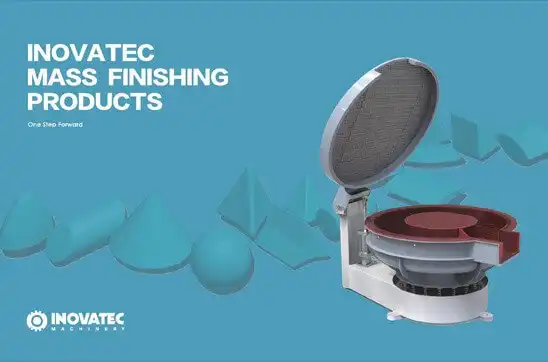
Ceramic media is one of the most widely used finishing media in mass finishing. It’s especially effective for deburring tougher metals like steel, thanks to its strong cutting ability and long service life. Because of this, ceramic media often delivers faster cycle times, consistent deburring performance, and high efficiency compared to many other media types.
China’s Top Quality Manufacturer and Supplier of Deburring Media
Plastic finishing media (in-house manufactured): Ideal for aluminum and brass parts, delivering smooth, controlled finishing without over-aggressive cutting.
Ceramic media range: Excellent for deburring stainless steel parts, offering consistent edge radiusing and reliable cutting performance.
Silicon carbide media (manufactured by us): Commonly used for magnet finishing, providing strong cutting action for tougher applications.
OEM / custom media development: We design and manufacture media to match your finishing targets—part geometry, material, cycle time, surface requirement, and machine type—so you get the result you want.
GETan Instant Quote


Inovatec Machinery The Leading Manufacturer for Deburring Media in China
Inovatec offers a wide selection of deburring media suitable for different applications and finishes. Deburring media is designed for mass finishing. It widely used for laser cut parts deburring, plastic parts deflashing, 3d printed parts finishing and smoothing.
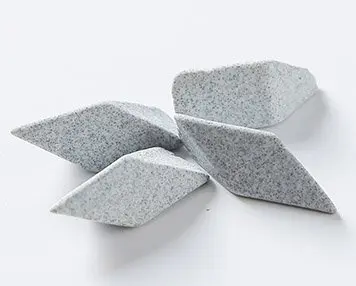
This media shape provides deburring of parts and is suitable for radiusing edges on parts.
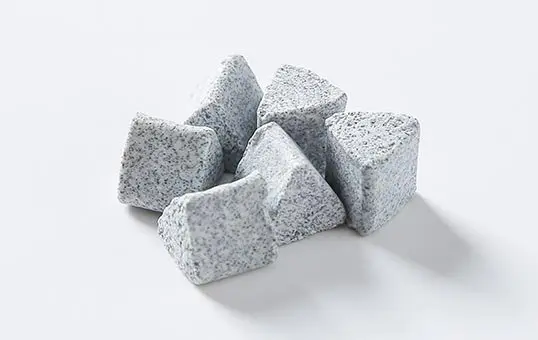
Straight cut finishing media is suitable for stone finishing and can be used on parts such as sandstone, granite stone, and marble stone.
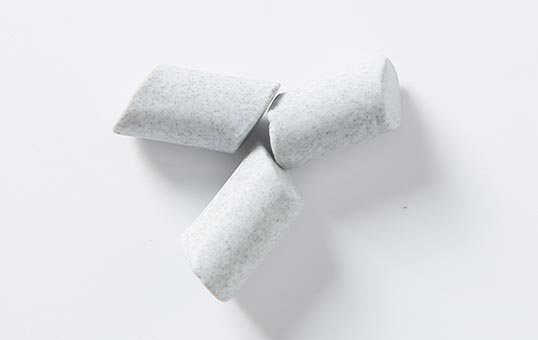
This type of media is ideally used for parts that have areas that are difficult to come by. It’s suitable for brass, rubber seals, and many more.

The cylinder straight cut finishing media is ideal for removing and smoothening edges on surfaces of parts.

Small and medium parts with little detailing works best with the tri-star angled cut media to produce satisfactory results.

The big size angled cut finishing media reduces the deburring process time because of its aggressive grinding application.
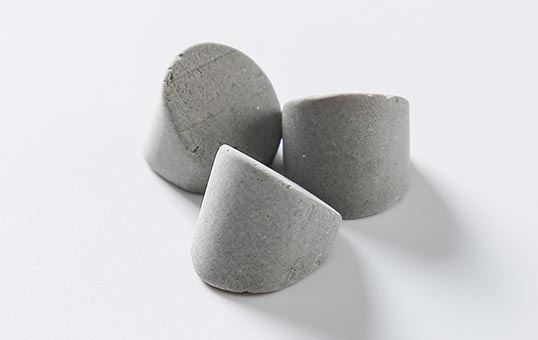
The wedge-shaped finishing media is ideal for improving the surfaces of parts without causing lodging issues.

This is a ceramic tumbling media and is commonly used for parts with slots and narrow edging.

The ball-shaped media is a ceramic tumbling that is suitable for parts with curved surfaces.
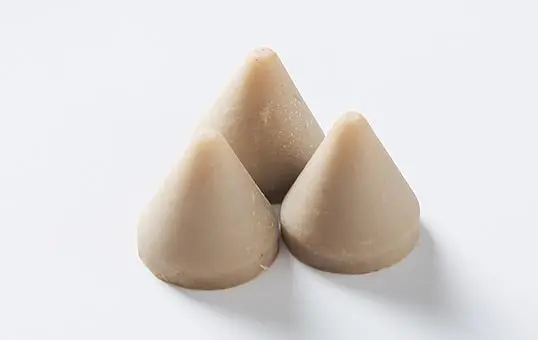
This plastic finishing media is suitable for smoothening part surfaces with minimal surface shine.
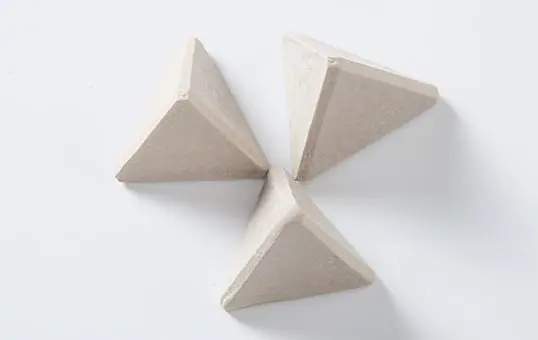
This media comes in the shape of a pyramid. The pyramid shape makes it easy for the media to get into corners and flat surfaces of parts.

The tri-star plastic media provides part surfaces with great finishes.
Vibratory Finishing Compound
The ceramic media is ideal for hard metals that require the removal of rust and deburring.
The plastic media is suitable for soft metals. It removes burrs and smoothens surfaces of parts.
This is commonly used for fast removal of metal on parts such as magnets, and surgical instruments.
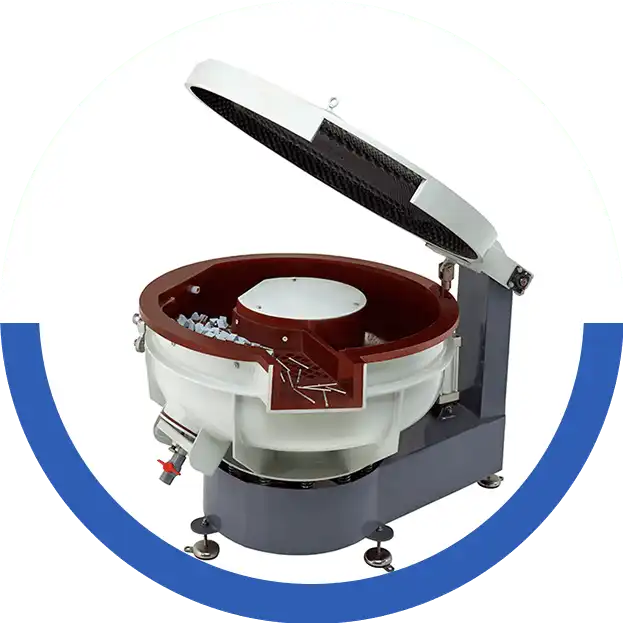
Mass Finishing Machine
Our finishing media is widely used across industries such as automotive, aerospace, and more. We supply solutions for a broad range of parts—including 3D-printed components, jewelry, and many other precision workpieces.
Our mass finishing machines are built with high-quality materials and equipped with cost-effective, practical features to deliver reliable, repeatable results. As a leading manufacturer of deburring media, we guarantee consistent finishing performance for every client.

Inovatec Machinery – The Leading Supplier and Manufacturer for Deburring Media in China
Affordable deburring media: Cost-effective solutions without compromising finishing quality.
High-quality raw materials: Manufactured with premium materials to ensure stable, consistent performance.
Multiple shapes and sizes: Wide selection to match different part geometries and finishing requirements.
Fast delivery: Short lead times and quick turnaround to keep your production on schedule.
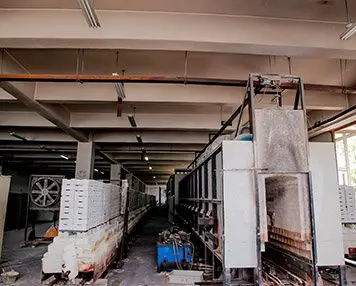
- Factory
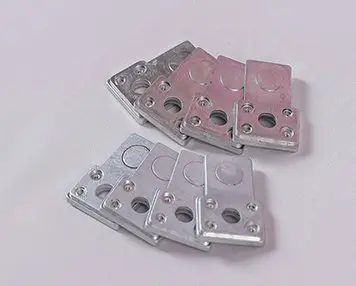
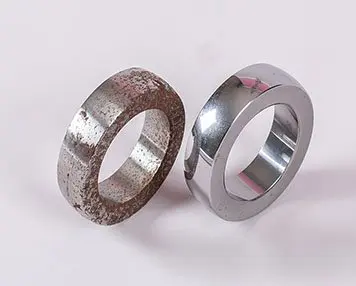
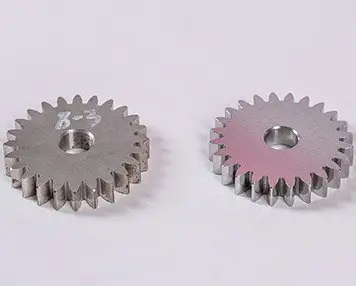
- Before and After

Frequently Asked Question
What is the minimum ordering quantity for deburring media?
The MOQ for deburring media is 500kg for each type of media. This allows us to organize your production easily. This also ensures that you have enough media for testing and production.
How do you package deburring media?
We use two woven bags made of plastic. This helps in preventing possible leakage during transportation. We package each bag with 50lbs or 25kg worth of media, depending on the requirements of clients. We package our bags onto wooden trays with a maximum of 40 bags per tray. This makes transportation and moving of media easy.
What are your payment methods?
Upon confirmation of your order, we require a 30% of your total before we can begin with your production. Upon completion of your production batch, we will inform you and send you videos and photos for confirmation. If you are satisfied with the outcome of the production batch, you can either send your agent or come check it out yourself. If you are happy, we will require the 70% balance of your total before arranging shipment of your choice.
How long does a production batch for deburring media take to complete?
If you have placed a general order with us, production time usually takes between 15 and 20 days. However, if your production batch is made of smaller media, the time to complete this will be longer than 20 days.
Where is your nearest location?
Our nearest port is in Shanghai, Yiwu, and Ningbo. If you require shipping to a different location, we can arrange this according to your request.
Deburring Media Introduction
Deburring media is available in many shapes and sizes—such as cones, wedges, balls, cylinders, triangles, pyramids, and more. Each geometry affects how the media flows, contacts the workpiece, and reaches edges or internal features, which directly impacts finishing speed and surface results.
When selecting deburring media, shape and size are key factors to consider to achieve the best outcome for your parts.
Main functions of deburring media:
Remove burrs within a targeted cycle time (controlled, repeatable deburring)
Reach hard-to-access areas on part surfaces for more complete edge finishing
Reduce lodging risk by selecting the correct size and shape for the part geometry
Enable easy separation from metal parts after processing for efficient handling and collection
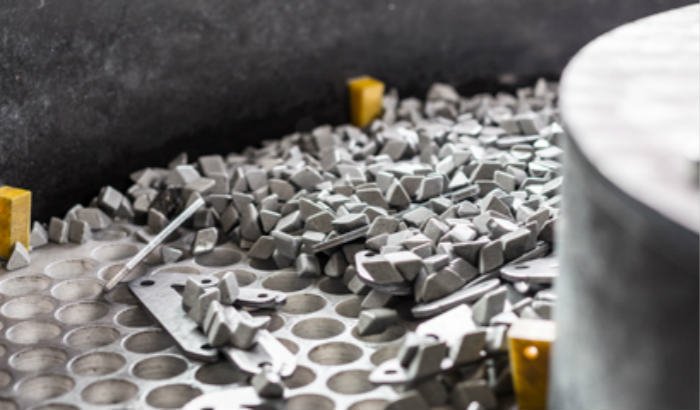
There are two commonly used deburring media including plastic media and ceramic media.
These media can be used in centrifugal finishing machines, vibratory finishing machines, rotary finishing machines, vibratory rock tumbler, parts tumbler and many more.
Deburring rock tumbling media is suitable for a variety of applications.
Below is a list of applications they are used for:
- Ceramic media is ideal for hard metals including titanium, steel, and iron. It removes sharp edges on part surfaces, removal of rust, removal of burrs, rounding edges, removal of oxidation layers on parts, excess surface dirt, and much more.
- Plastic media is suitable for deflashing and light deburring of brass, aluminium, and plastic parts. Also it is ideal tumbler media for brass.
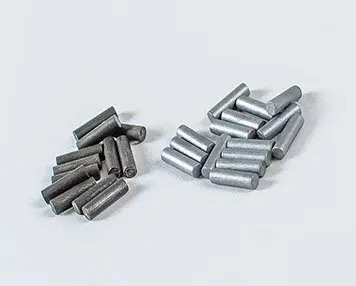
- Silicon carbide media is ideal for radiusing and deburring of magnets.

Deburring Media FAQ Guide
- 1. What does deburring media mean?
- 2. What different types of deburring media are available?
- 3. How does deburring media work?
- 4. What is the lifespan of deburring media?
- 5. What deburring media should be used for finishing applications?
- 6. Is ceramic deburring media efficient and effective?
- 7. Does the size and shape of deburring media matter?
- 8. What benefits does deburring media have?
- 9. When is dry deburring media used for parts?
- 10. When is wet deburring media used for parts?
- 11. How do I choose deburring media?
1. What does deburring media mean?
Deburring media is a type of tumbling media used in mass finishing to remove burrs, smooth sharp edges, and improve part surface quality. When used with the right compound and machine settings, it can also support processes such as cleaning, polishing, burnishing, brightening, and surface refinement.
Deburring media is available in a wide range of shapes and sizes to match different part geometries and finishing goals, helping ensure consistent and reliable finishing results.

2. What different types of deburring media are available?
There are different types of deburring media designed for different purposes. The most commonly used types include stainless steel, ceramic, natural, and plastic media.
Stainless steel media is suitable for hard metals as it provides robust finishing processes. Stainless steel media comes in different shapes and sizes to produce different types of finishes.
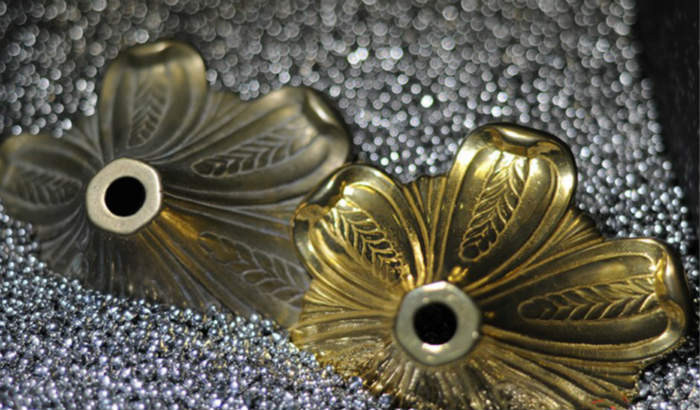
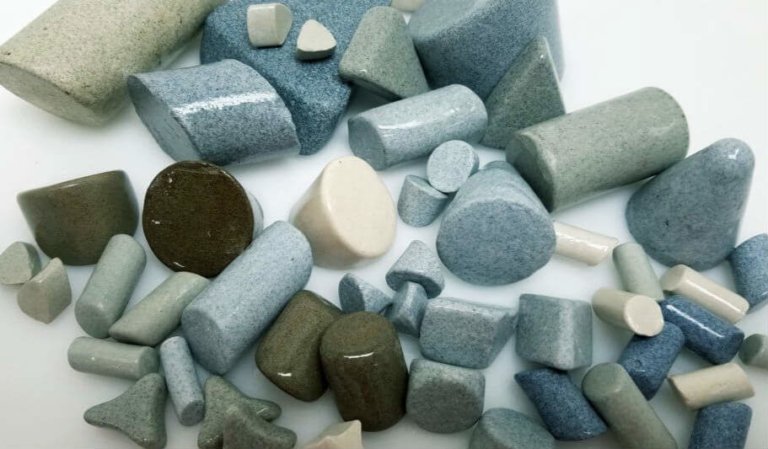
Ceramic media is the most used media in mass finishing processes. It’s suitable for robust metals such as titanium and stainless steel parts.
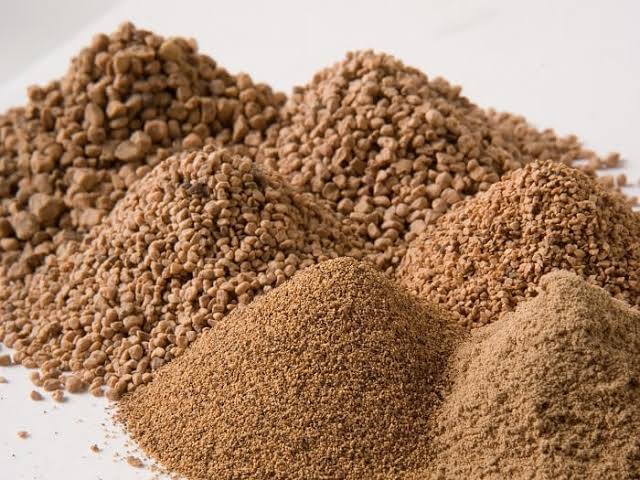
Natural media is made up of natural materials including walnut shell media, corn cob media, and wooden materials. These are suitable for dry tumbling processes and light deburring processes.
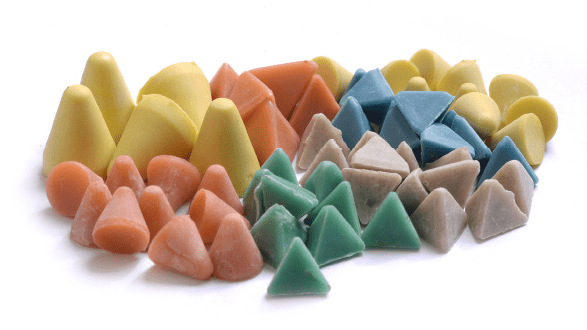
Plastic media is used for polishing, smoothening, and burnishing metal parts. It is delicate in nature, making it ideal for parts such as brass, zinc, magnesium, and many more.
3. How does deburring media work?
Deburring media is most commonly used in deburring processes carried out in vibratory, rotary, and centrifugal finishing machines.
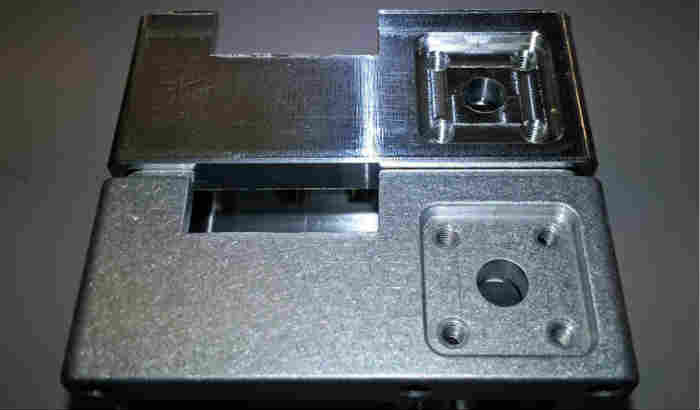
In particular, deburring media for vibratory tumblers helps remove burrs, scale, and surface oxidation, while also smoothing and edge-rounding parts to achieve a cleaner, more uniform finish.
4. What is the lifespan of deburring media?
The lifespan of deburring media depends on several factors: the material type, the workload and cutting demand, how frequently it’s used, and the abrasiveness of the process.
In many applications, media can be reused multiple cycles (often up to around 20 runs) when it’s properly maintained—such as by using the right compound, keeping the process clean, and separating media and parts correctly after each cycle.
Media life will be reduced if the wrong media size/shape is chosen for the application, if it’s overloaded or overused, or if machine settings cause excessive wear. Proper media selection and routine maintenance are the keys to longer, more stable performance.
5. What deburring media should be used for finishing applications?
Plastic finishing media is best for plastics and soft metals (like aluminum, brass, zinc), providing controlled cutting and smoother surface refinement.
Ceramic finishing media is ideal for heavy deburring, offering stronger cutting action for tougher burr removal and edge radiusing.
Natural finishing media (e.g., corn cob, walnut shell) is commonly used for dry deburring and dry polishing, especially when you want a clean finish without water.
Threaded workpieces usually require light deburring to avoid damaging threads—using mild media, shorter cycle times, and gentler machine settings.
6. Is ceramic deburring media efficient and effective?
7. Does the size and shape of deburring media matter?
Shape and size are critical when choosing the right deburring media.
In general, smaller media is better for small parts and tight features, while larger media is better suited for larger parts and heavier deburring. The right size directly affects cutting speed, edge rounding, and overall finishing consistency.
Media shape also matters—different shapes reach different areas of a part, so the correct geometry helps improve cleaning, deburring coverage, and surface uniformity.

8. What benefits does deburring media have?
Protects your parts: Minimizes the risk of surface damage during processing.
Improves surface quality: Removes burrs, smooths sharp edges, and refines the overall finish.
Consistent results: Provides uniform abrasion for repeatable, reliable finishing performance.
Higher efficiency: Shortens cycle times and boosts productivity with stable, controllable deburring.
Easy separation: With the right media and setup, parts can be separated quickly for simple collection and handling.
9. When is dry deburring media used for parts?
Dry tumbling media is designed to absorb and remove moisture from part surfaces. It’s commonly used when parts need to be dried after wet finishing, helping remove water, oil, and other lubricants before the next process (such as coating, plating, painting, or packaging).
10. When is wet deburring media used for parts?
Wet deburring media is designed for wet finishing processes, where water is used together with a compounding agent (typically liquid compound, paste, or powder). The compound helps clean the parts, improve lubrication, carry away fines, and enhance surface quality.
Wet deburring media is commonly applied in polishing and surface-finishing operations, delivering more consistent results, better cleanliness, and improved control compared to dry processing.
11. How do I choose deburring media?
Choosing the right deburring media depends on your application and the finishing result you want to achieve.
Key factors such as media shape, size, and angle directly affect cutting action, edge rounding, and how well the media reaches part features—so selecting the right combination is essential for achieving your target surface finish.
To learn more about the best media for your parts and process, contact us today and we’ll recommend a tailored finishing solution.
Send Your Inquiry Today