 English
  Español
  Français
Different methods and processes can indeed be used to deburr or remove burrs and sharp edges from metal parts. However, with all these methods, you need to be informed of the right way to take all the stress off of you. Read on for some unique techniques that help and more information.
Common Techniques
Below are the unique and common techniques that are available:
 Burrs on Machine Metal Sections
Manual Burr Removal Technique
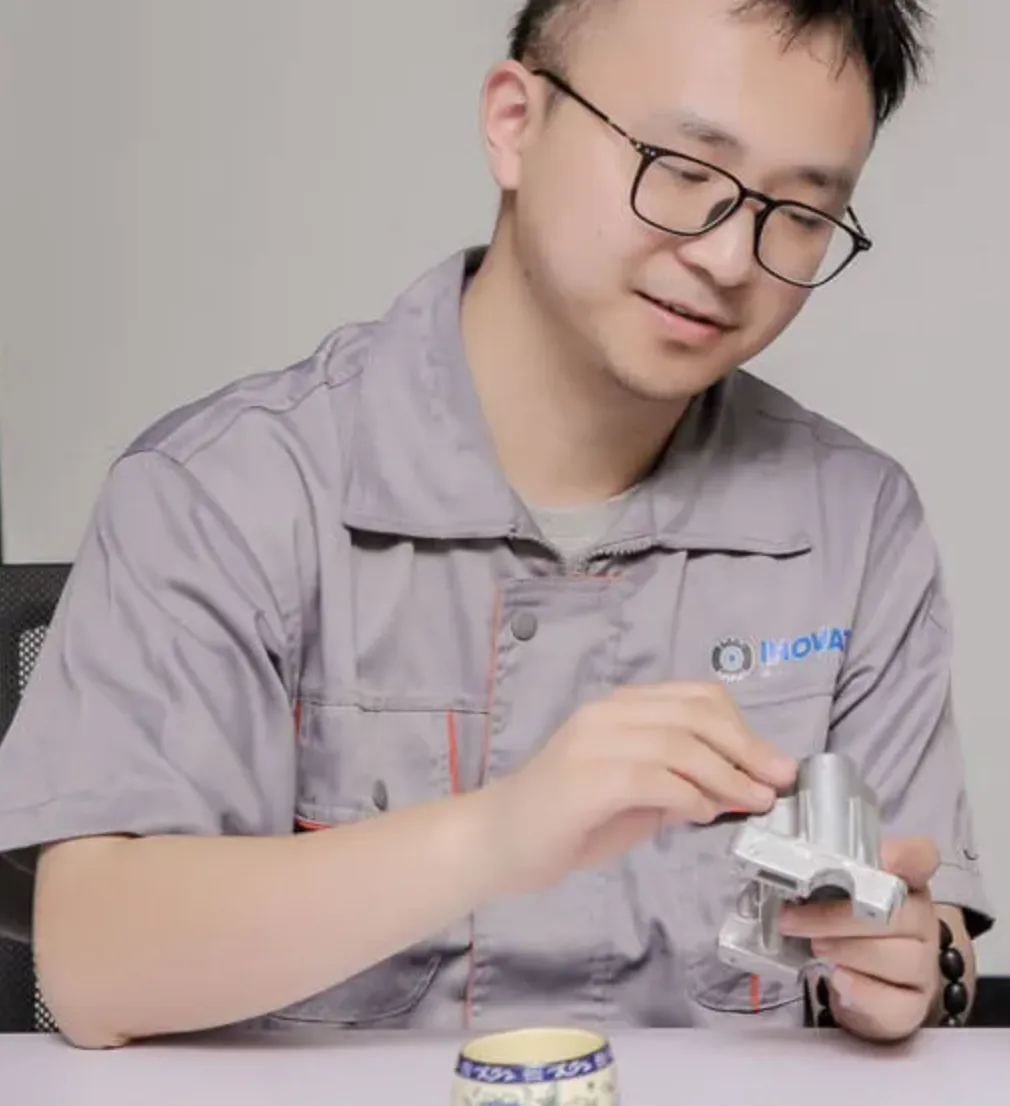
You need to know that a skilled craftsman or woman can manually remove burrs using unique tools. Here, experts use a file, a high-quality device, and sandpaper for polishing the edges. This technique has different files; it comes in manual and pneumatic files.
Advantages:
- When done, it keeps metal parts very smooth for a long period.
- Experts make sure the right tools are used to perfect these deburs.
Disadvantages:
- The cost of labor is high.
- Removing complicated cross-holes can be very hard.
- Efficiency is always low.
Applications:
Works perfectly for aluminum alloy die castings with the following:
- Low technical specifications for employees.
- Simple product structures.
Punch Burr Removal Technique
 Removing Metal Burrs From Surfaces
This technique has to do with experts using punch molds in punching machines. This process works by using different dies to go about punch molding. These dies include fine blank dies, rough blank dies, and sizing dies.
Advantages:
- Is ideal for simple products
- Provides the right level of efficiency and deburring outcomes when compared to deburring manually.
Disadvantages:
- For rough and fine blank dies to be produced, the cost can be a bit high
- Sizing dies might mostly be necessitated
Applications:
Ideal for aluminum alloy die casts with parting surfaces that are simple.
Grinding Burr Technique
This method or technique has to do with burr being removed via sandblasting, vibration, and also roller. This method is famous for most enterprises.
Advantages:
- It doesn’t cost so much.
- Is ideal for many small products.
Disadvantages:
- This method comes with deburring that is not very clean.
- Due to its unclean outcome, additional manual deburring will be needed for residual edges to be removed.
Application:
Is perfect for small aluminum alloy die casts in large batches.
Freezing Technique to Remove Burrs
 Parts With Burrs and After Removing Burrs
This technique has to do with making use of temperature drops to immediately make burrs soft. Then, after that, they are blasted off with pellets.
Advantages:
- Works to remove burrs with ease.
Disadvantages:
- The cost of this deburring procedure is quite high.
Applications:
It works ideally with workpieces with a minute burr wall thickness and small sizes.
Thermal or Explosion Burr Removal Technique
This technique, also known as TEM, which stands for Thermal Energy Method, is used mostly for the treatment of many surface pieces at a specific time.
How it works:
- With this technique, burr can be gotten rid of by burning fabric in a restricted combustion chamber
- Oxygen and gas combined are mostly used due to their source of energy
- The ideal step has to do with deciding the right proportion of gas and air being used in generating ample amounts of heat to remove burrs, even as the piece is kept safe
Advantages:
- Works to produce a smooth result to the best of its ability
- Easy-to-find experts to have it done
Disadvantages:
- The equipment required to have techniques done is costly. So, this makes the whole process costly too
- Requires a high level of operational and technical specifications
- Has low efficacy
- Brings side effects such as deformation and rust
Application:
Used ideally for parts in fields of high precision, such as:
- Aerospace
- Automobiles
Engraving Machine Burr Removal Techniques
With this method, it will excite you to know that an engraving machine is used for deburring.
Advantages:
- This technique is ideal for burr removals that are in simple positions and structures
- The process is not costly at all
Chemical Burr Removal Technique
This technique makes use of the electrochemical reaction principle to get rid of burrs uniquely and automatically from metal parts.
Advantages:
- It works perfectly for handling burrs that are internal and difficult to remove.
- Are ideal for the removal of small burrs on parts.
Disadvantages:
- If the thickness of the burr is more than 7 wires, this technique will not be ideal.
Applications:
Used to deburr the following:
- Pump bodies
- Valve bodies, etc.
Electrolytic Burr Removal Technique
This technique has to do with burrs being removed from metal components or parts by electrolysis.
Advantages:
- It is ideal to remove burrs in areas of parts that are concealed.
- Makes removing burrs from complicated shapes possible.
- Come with very high efficiency in production.
- The process of removal is quick with this technique.
Disadvantages:
- Cleaning and rust treatment of the part being deburred is important after this technique to prevent the part from losing its luster.
- Due to how corrosive this technique is, the luster on the workpiece surface can be greatly affected.
Applications:
Ideal to be applied to the following:
- Connecting rods
- Crankshafts
- Gear oil line holes
- Rounding sharp corners
High-pressure Water Jet Burr Removal Technique
This technique makes use of instant water impact or pressure for removal.
Advantages:
- Used mainly in the automotive and engineering industries
- The process is safe
Disadvantages:
- It is a costly process
Applications:
It is used more in the automated core hydraulic control system and also in engineering machines.
Ultrasonic Burr Removal Technique
When ultrasonic waves are propagated, high pressure is immediately generated. This helps to deburr metal components.
Advantages:
- This technique comes with precise levels of deburring
- It helps in removing burrs that are very tiny (burrs only the microscope can see)
Disadvantages:
- This technique isn’t ideal or suitable for all types of machine components
- This technique doesn’t work for burrs that are feasible
Abrasive Flow Burr Removal Technique
 Filing to Remove Burrs
The abrasive flow burr removal technique has to do with abrasives being pushed through two opposing abrasive cylinders. When this is done, it causes the abrasive to move in a front and back motion within the channels the part and fixture form. This is a two-way flow technique.
Advantages:
- Due to the extrusion pressure of psi, which is between 100 and 3000 psi, it is ideal for different cycle times and strokes.
- Doesn’t lead to secondary burrs.
- Due to its fluid capabilities, it is ideal for removing burrs in difficult positions.
Applications:
- It can handle microporous burrs of 0.35mm.
Magnetic Burr Removal Technique
With this procedure, strong magnetic fields are used to ensure magnetic abrasive particles are aligned along magnetic lines of force.
How to Choose a Technique
For all metal burr removal techniques, there are positives and negatives, specifically due to the different applications or their diverse uses. Your ideal technique will depend on the metal or workpiece type being deburred. Below are tips for choosing an ideal technique:
- Weight and geometry of parts to be deburred. The weight of the metal part to be deburred should help you decide on a technique. Some techniques will not work ideally to meet the needs of those components as you wish.
- Present burr condition. The current burr situation or condition of the part should also determine the technique that will work.
- For small-scale manufacturing operations, you need to choose between electromechanical and manual burr removal techniques.
- The thermal burr removal technique is ideal for removing thin burrs and also thick burrs that are very loose. This method will leave a raised edge behind, which will need to be finished after.
- The quality of the desired finish. The type of finish you desire should be considered to ensure the right technique is used.
Expert craftspeople can help determine the ideal technique for deburring your metal parts.
Conclusion
Knowing all the above details is great. However, it is necessary to always get the deburring experts involved to make sure everything is done to perfection and to ensure your safety.