20+ Years of Excellence
Since 2003, Inovatec Machinery has been at the forefront of surface finishing technology innovation.
Inovatec Machinery · Vibratory Finishing
During the tumbling process, the bowl containing the mixture of tumbling media and workpieces vibrates at high speed. This vibratory motion causes the tumbling media and workpieces to rub against each other, leading to the desired surface finish. A vibratory finisher plays a critical role in the pre-finishing of metal parts, which determines their characteristics.
Process Specs
Parts Material | Processing time (min) | Media Type | Media Wear Rate | Ra before | Ra after | Material Removal | Consistency | |
Stainless steel (304) | 60 minutes | GC ceramic media ACT 20X20mm (3/4 inch) | 0.5% per hour | 1.0 | 0.18 | < 0.3% | ±1% Surface Uniformity |
Consistent Results: A vibratory finisher delivers uniform surface finish from batch to batch, helping you maintain stable quality in mass production.
Low Part Damage: Controlled vibration and properly selected media reduce part-to-part impact, making the vibratory finisher suitable for small or delicate components.
High Repeatability: Digital controls keep cycle conditions stable, typically holding finish variation to within ±1% between runs (with the same media and loading).
Proven in Production: Validated through 1,000+ finishing trials across different metals, geometries, and surface requirements.
Process Traceability: Each vibratory finisher can log key parameters such as cycle time, vibration intensity, and process settings for easier QC and repeat orders.
Detailed specifications for our VB(B) series vibratory finisher machines. Compare models and download comprehensive technical documentation.

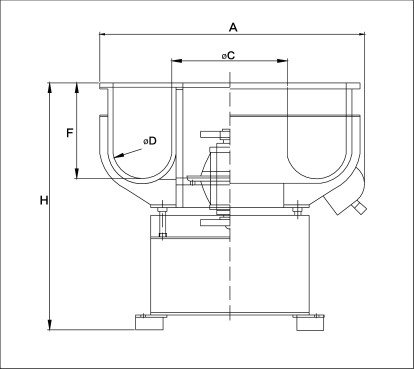
| Model | VB(B) 30 | VB(B) 60 | VB(B) 100 | VB(B) 200 | VB(B) 300 | VB(B) 400 | VB(B) 600 | VB(B) 900 | VB(B) 1200 | VB(B) 1500 | VB(B) 2500 |
| Total Volume(L) | 30 | 63 | 100 | 220 | 250 | 400 | 660 | 920 | 1300 | 1500 | 2500 |
| Max overall Dimension A | 670 | 830 | 1020 | 1200 | 1310 | 1410 | 1820 | 1930 | 1930 | 2120 | 2300 |
| Motor Installation tube(mm) C | φ136 | φ114 | φ470 | φ626 | φ620 | φ633 | φ910 | φ610 | φ610 | φ690 | φ850 |
| Process bowl width(mm) D | φ184 | φ280 | φ216 | φ220 | φ270 | φ320 | φ370 | φ560 | φ560 | φ630 | φ650 |
| Tunnel depth(mm) E | 200 | 245 | 330 | 385 | 390 | 450 | 490 | 575 | 575 | 630 | 850 |
| Machine Height(mm) H | 800 | 910 | 860 | 915 | 900 | 1040 | 1140 | 1350 | 1350 | 1420 | 1350 |
| Motor(KW) | 0.5 | 0.75/1.1 | 1.5/2.2 | 3.0 | 3.7/5.0 | 5.0/6.0 | 5.5/7.5 | 11.0 | 11.0 | 15.0 | 18.5 |
| Weight(kg) | 85 | 110 | 260 | 420 | 600 | 850 | 1850 | 2200 | 2200 | 2400 | 3000 |
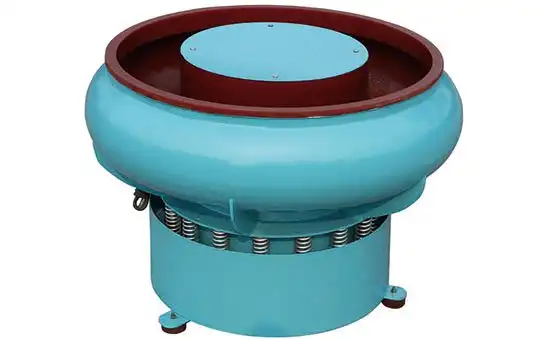
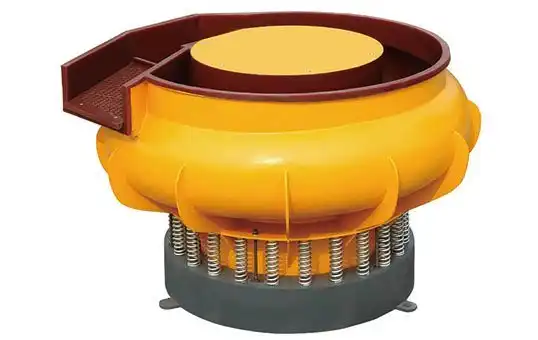
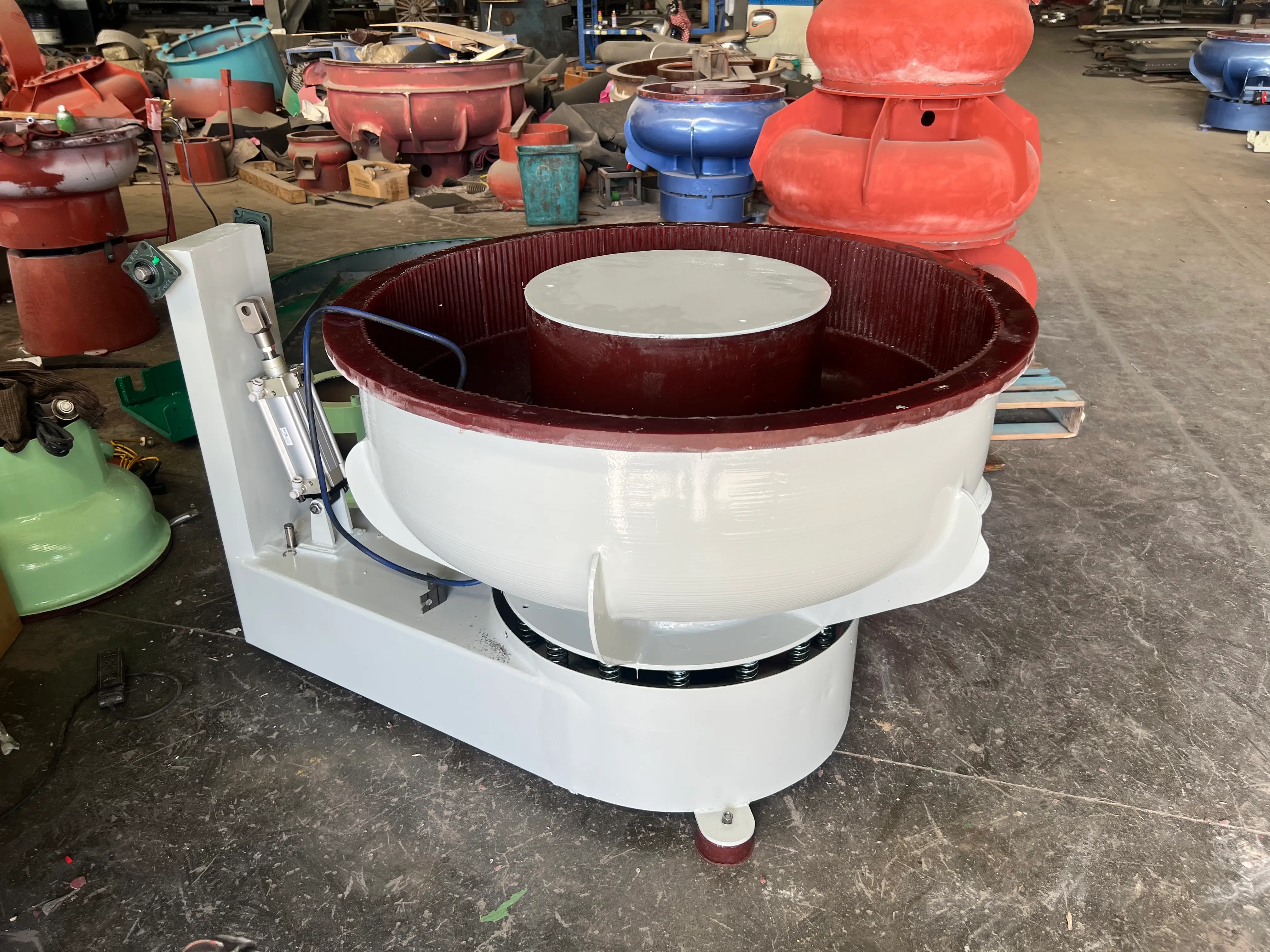
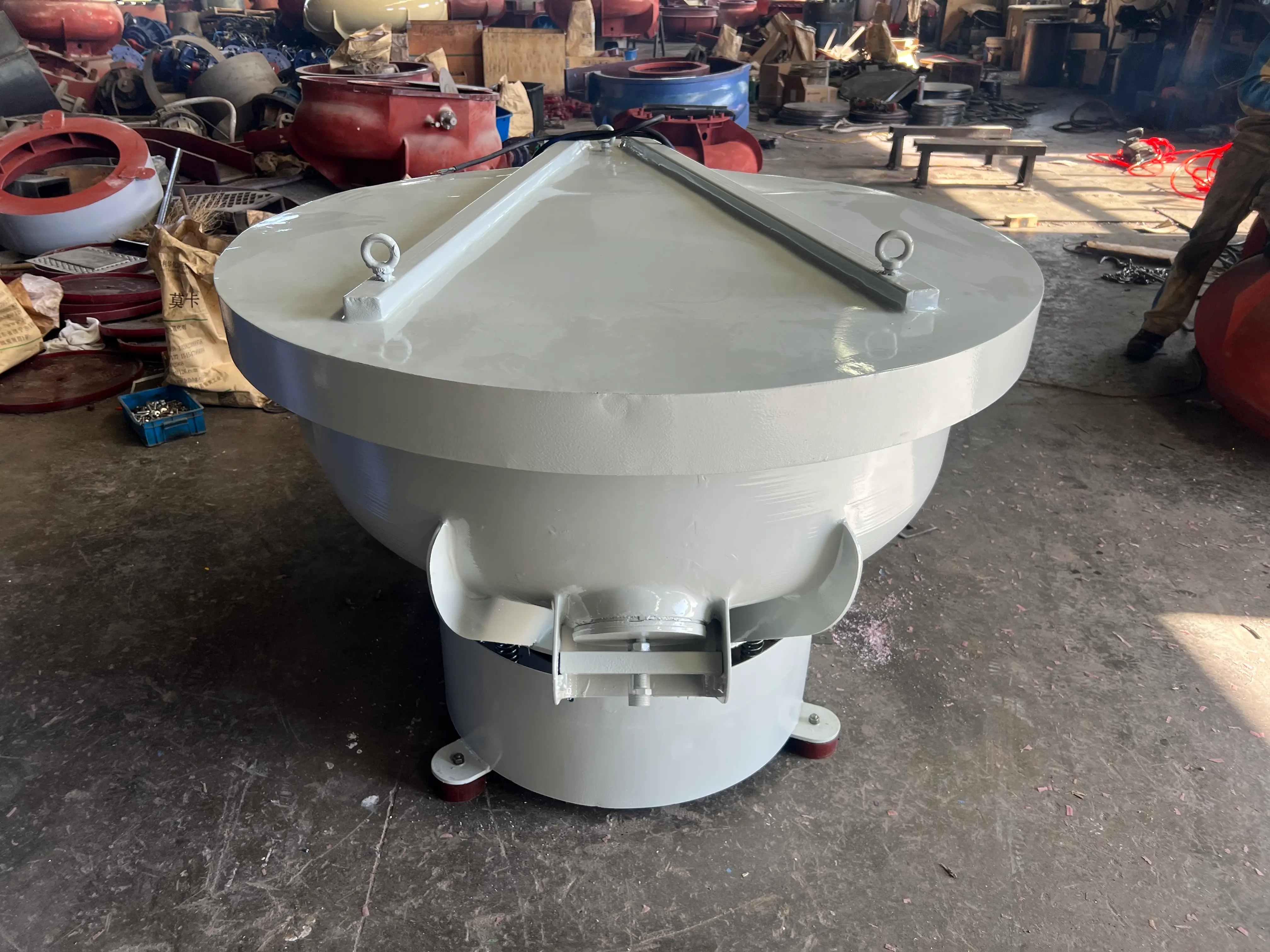
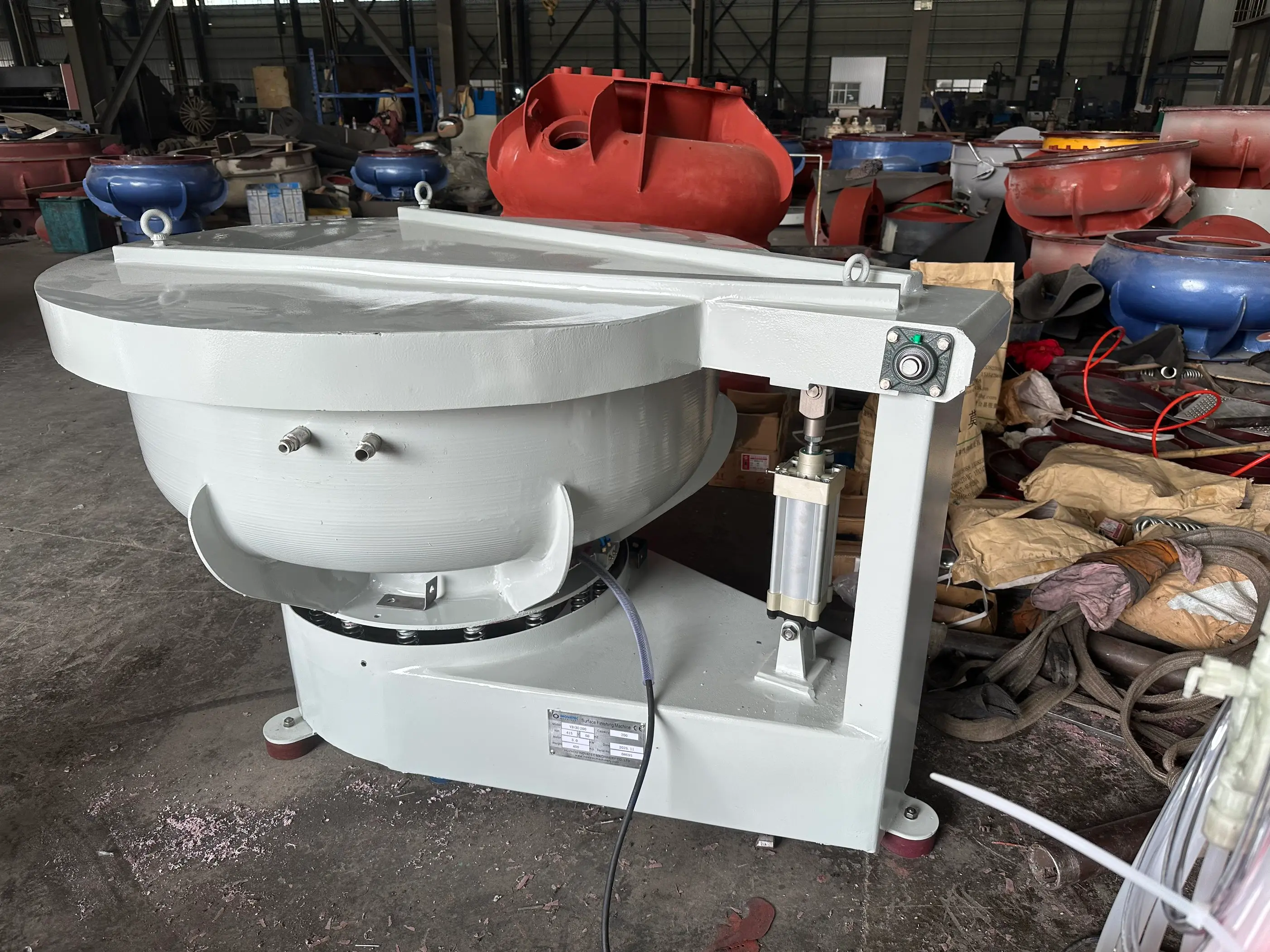
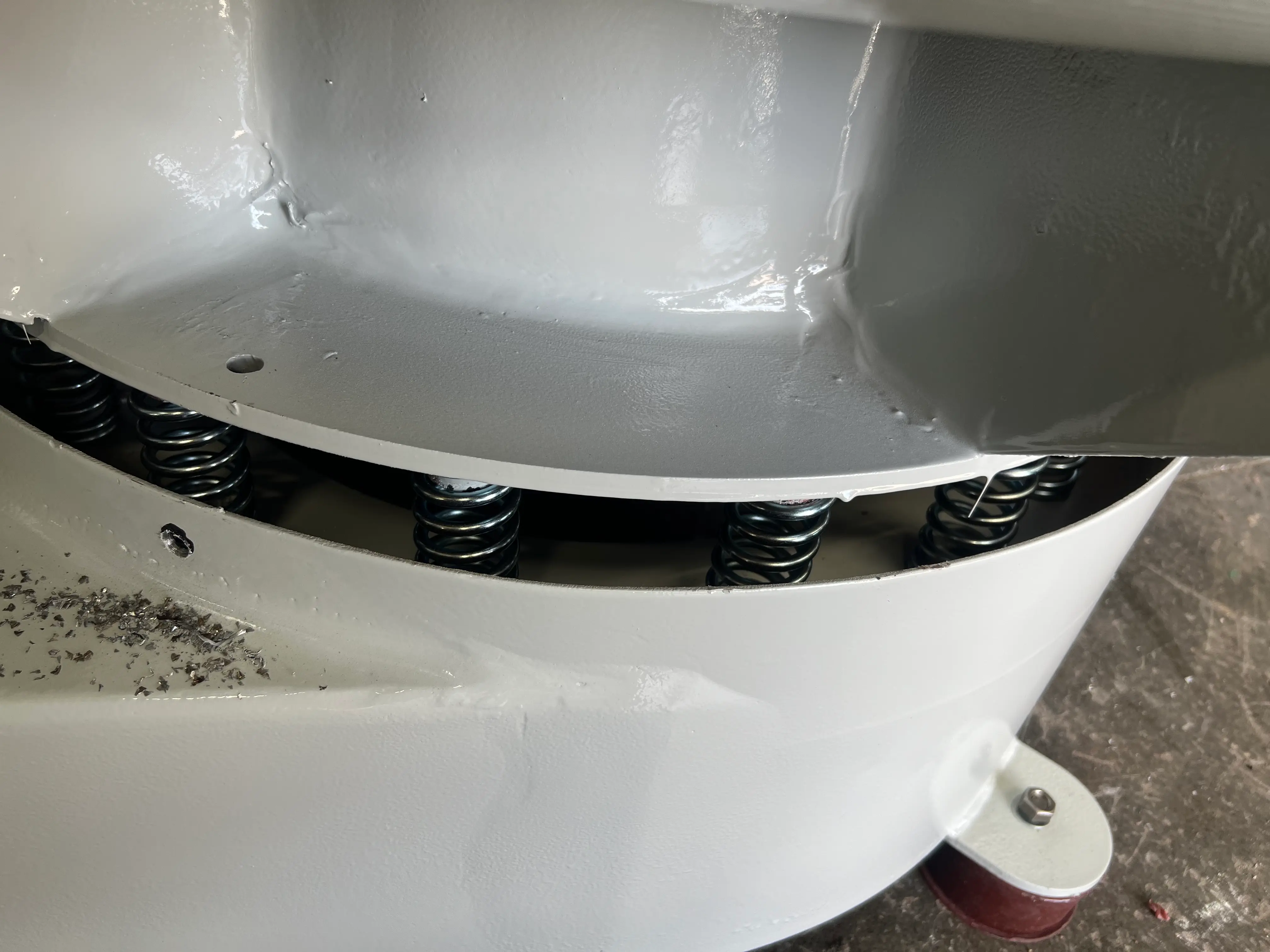
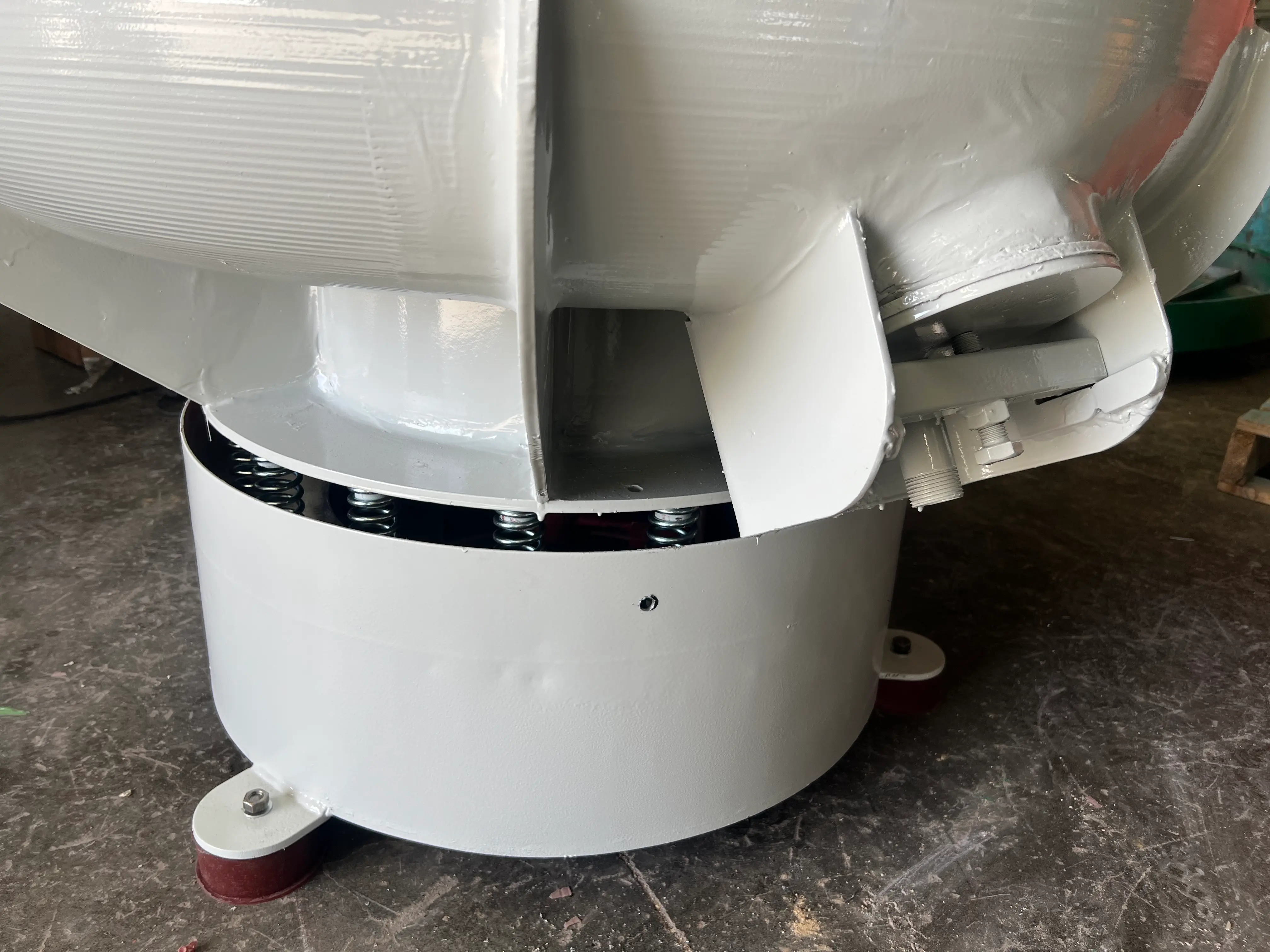
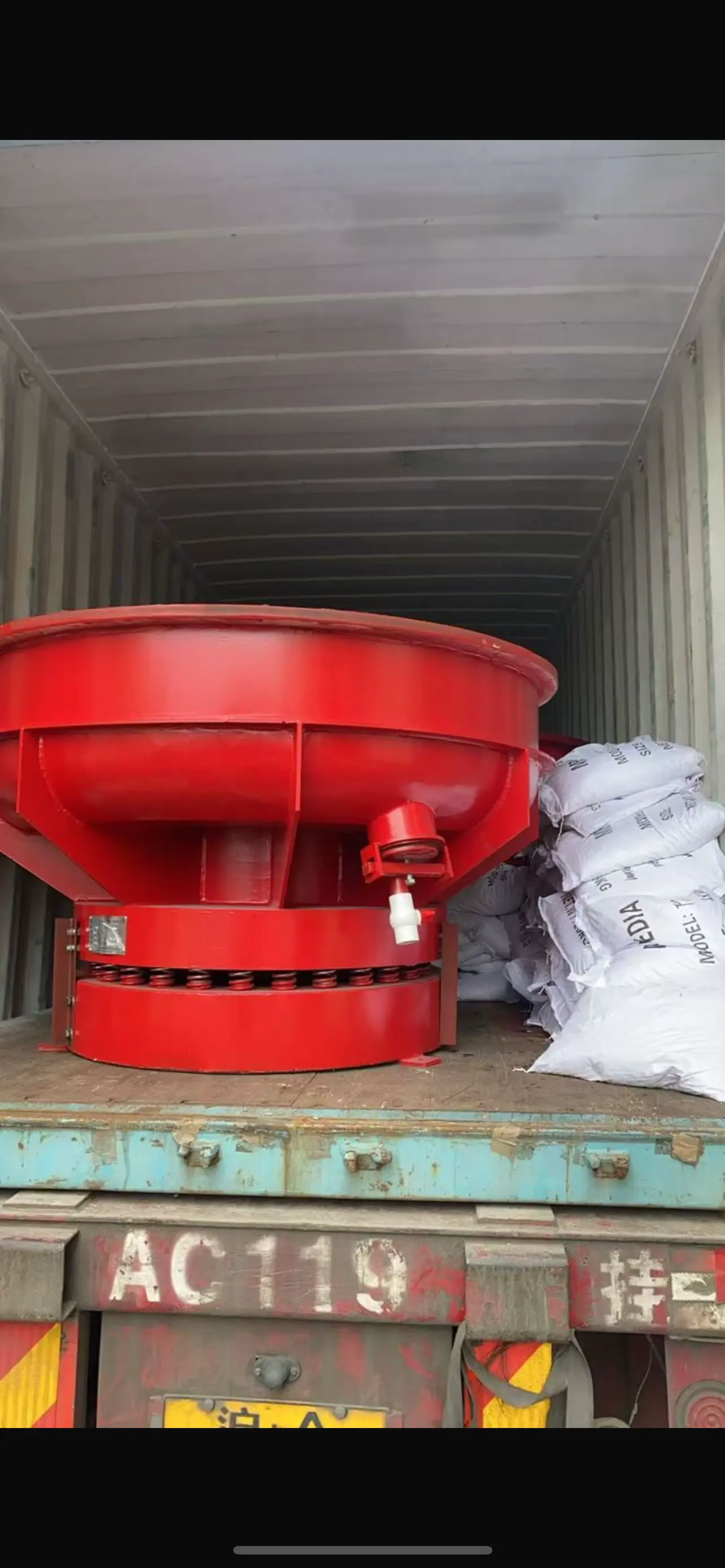
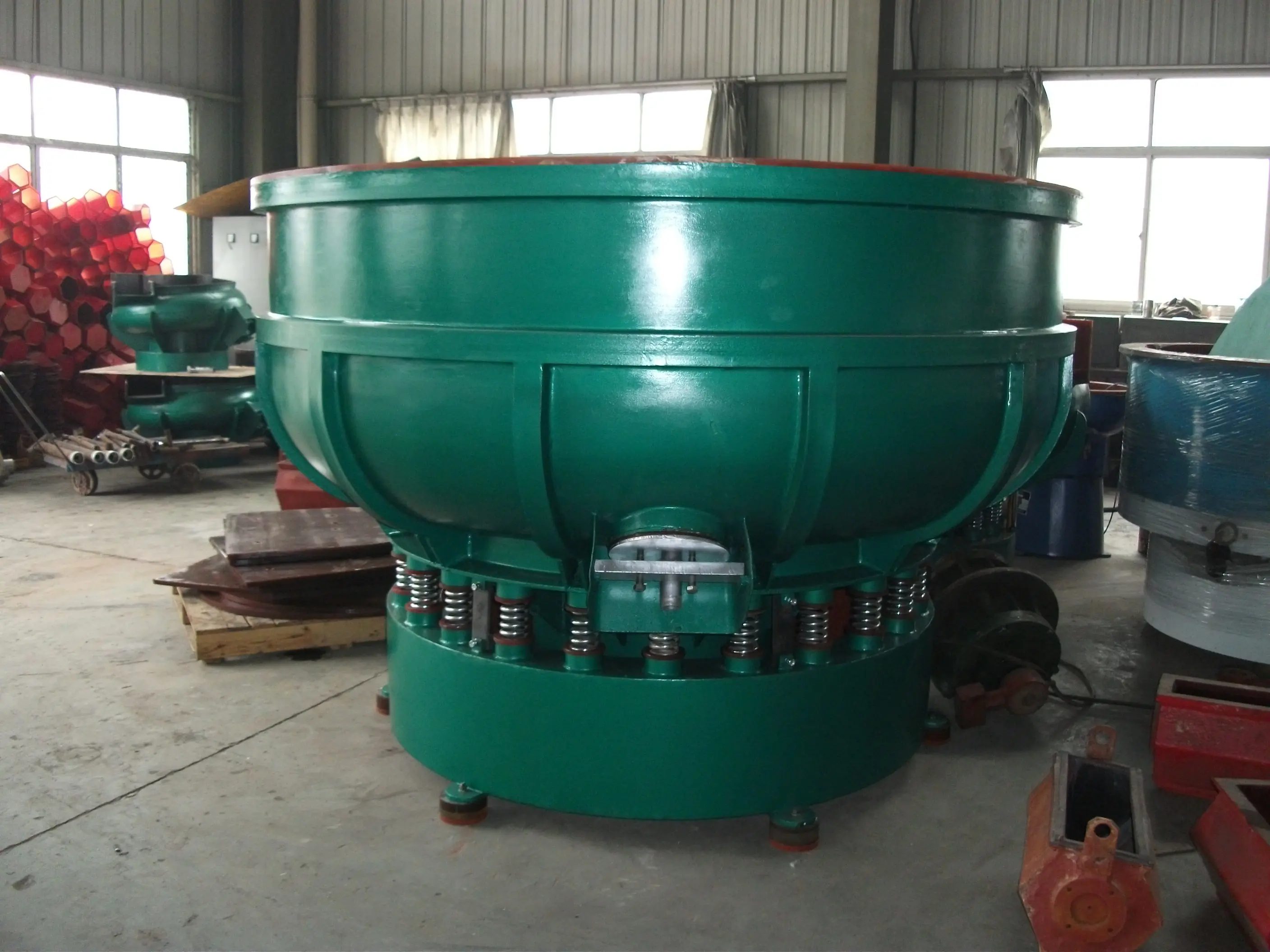
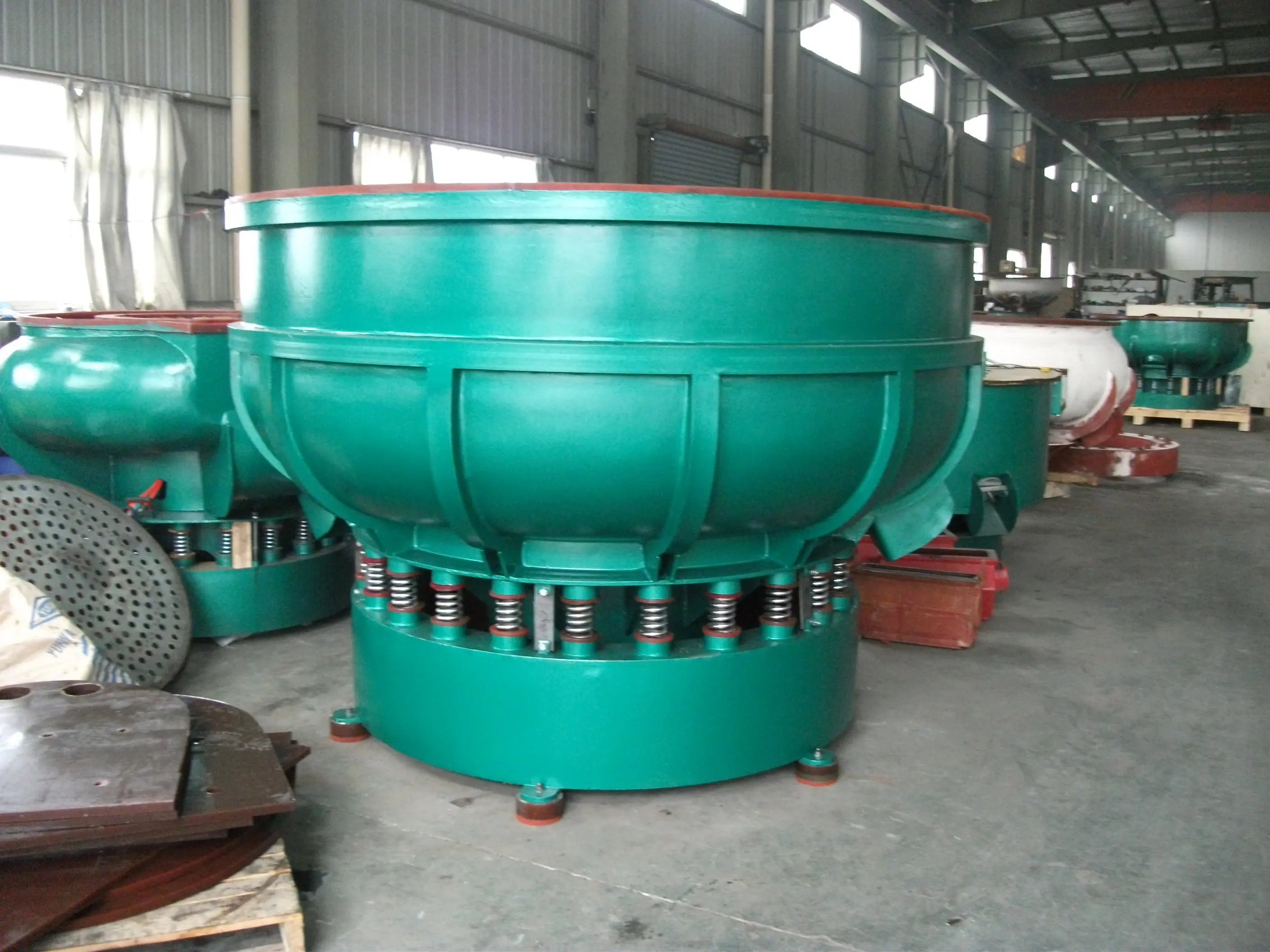
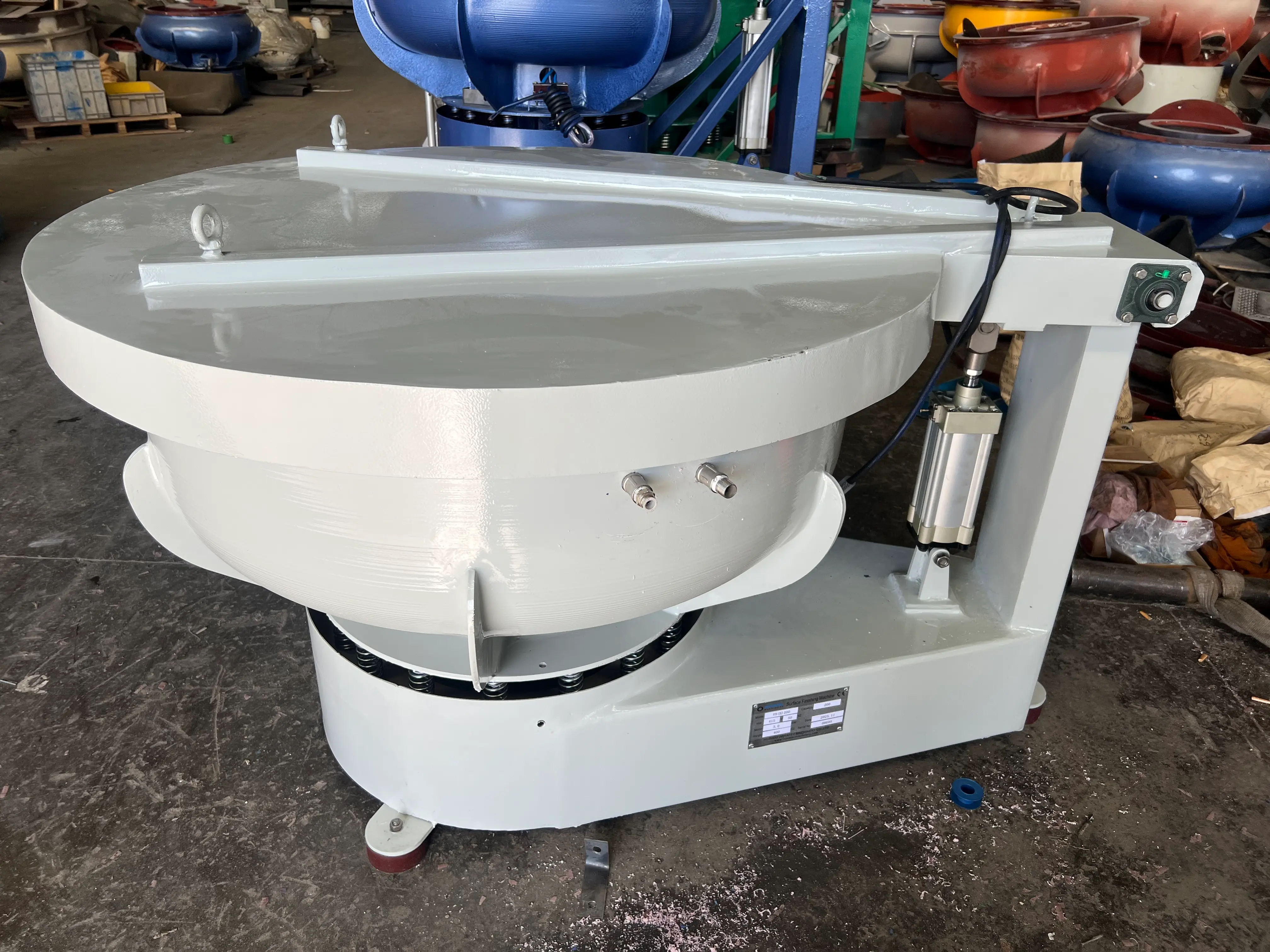
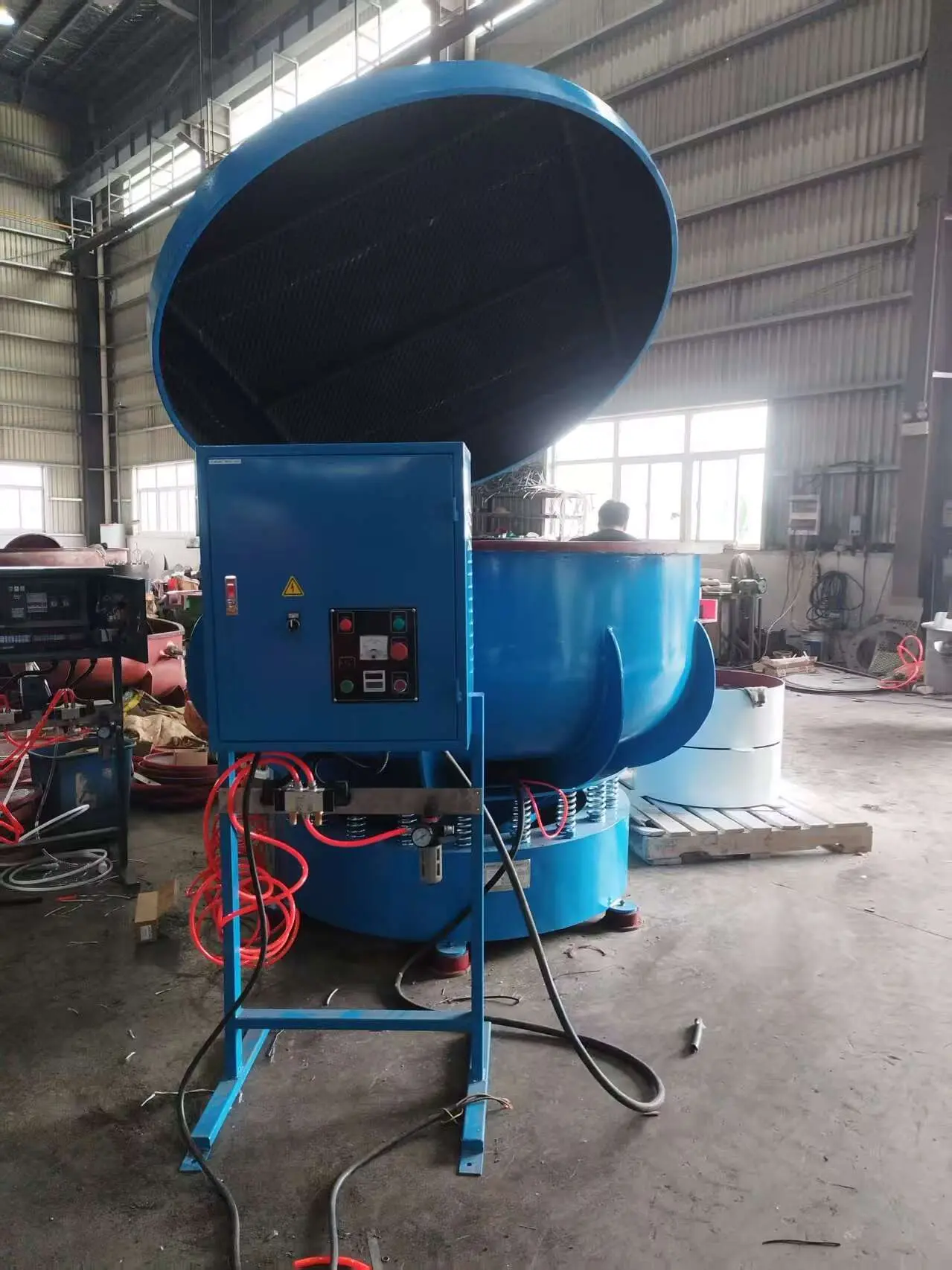
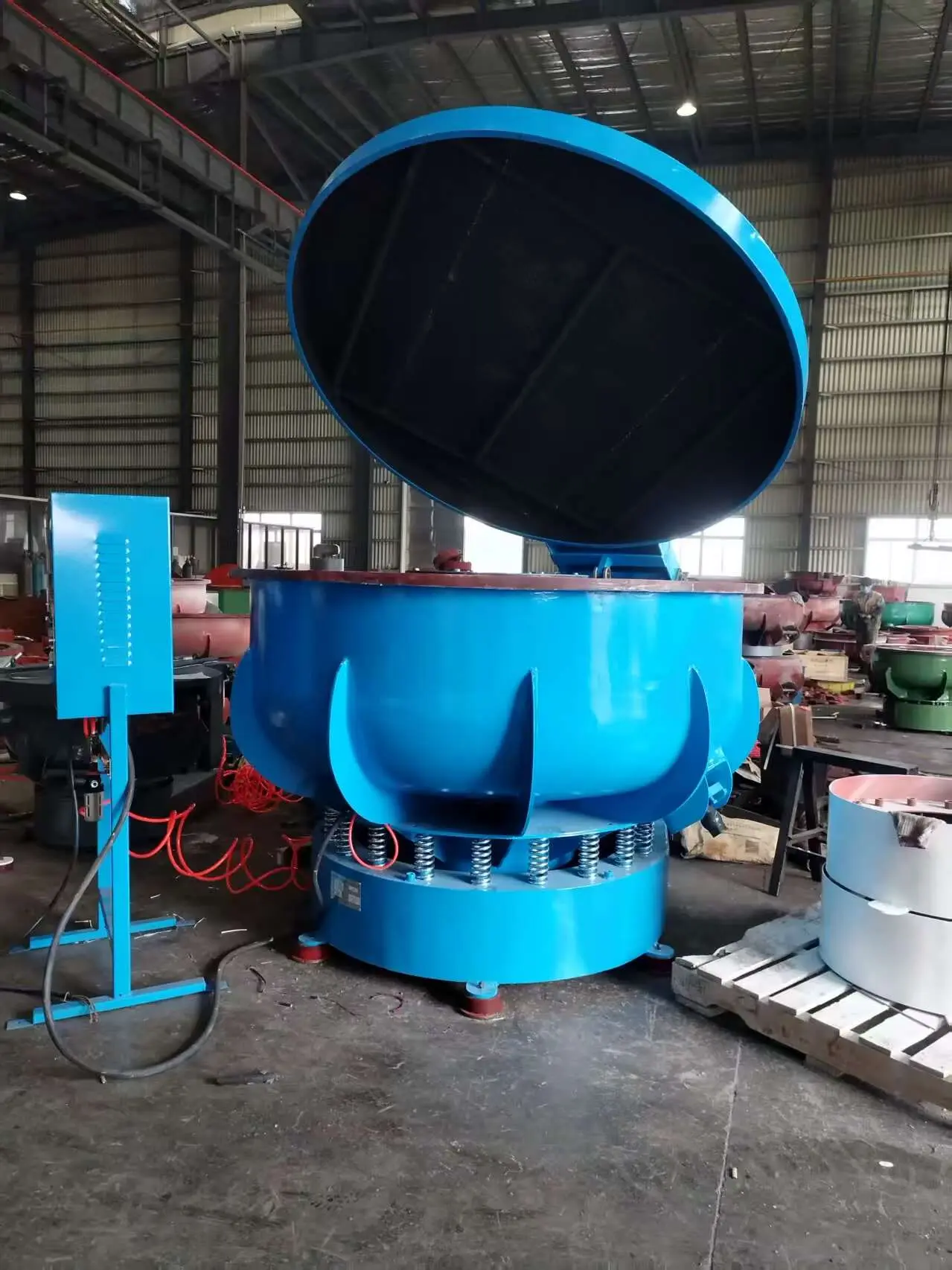
The Inovatec straight wall vibratory finisher VB (B) series has a wide chamber wall. You can use one of our VB (B) series vibratory finishers for processing large-sized and heavy mechanical parts such as gear housing, gear parts, and shafts. Apart from the regular tumbling media, you can also use pebble stones, river stones, and tiles in the vibratory finishing equipment.
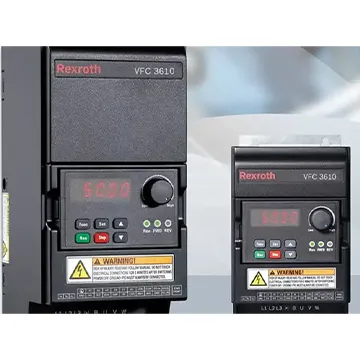
The VB(B) series uses heavy-duty motors from Shanghai Vibration Co. — a dedicated vibration motor manufacturer — rather than converted standard industrial motors. Dedicated vibration motors are designed for continuous eccentric-weight loading, which standard motors are not rated for. With proper maintenance (bearing lubrication on schedule), the motor service life exceeds five years in continuous production. The motor powers imbalance weights mounted on the shaft; adjusting the weight angle changes vibration amplitude without requiring speed adjustment.
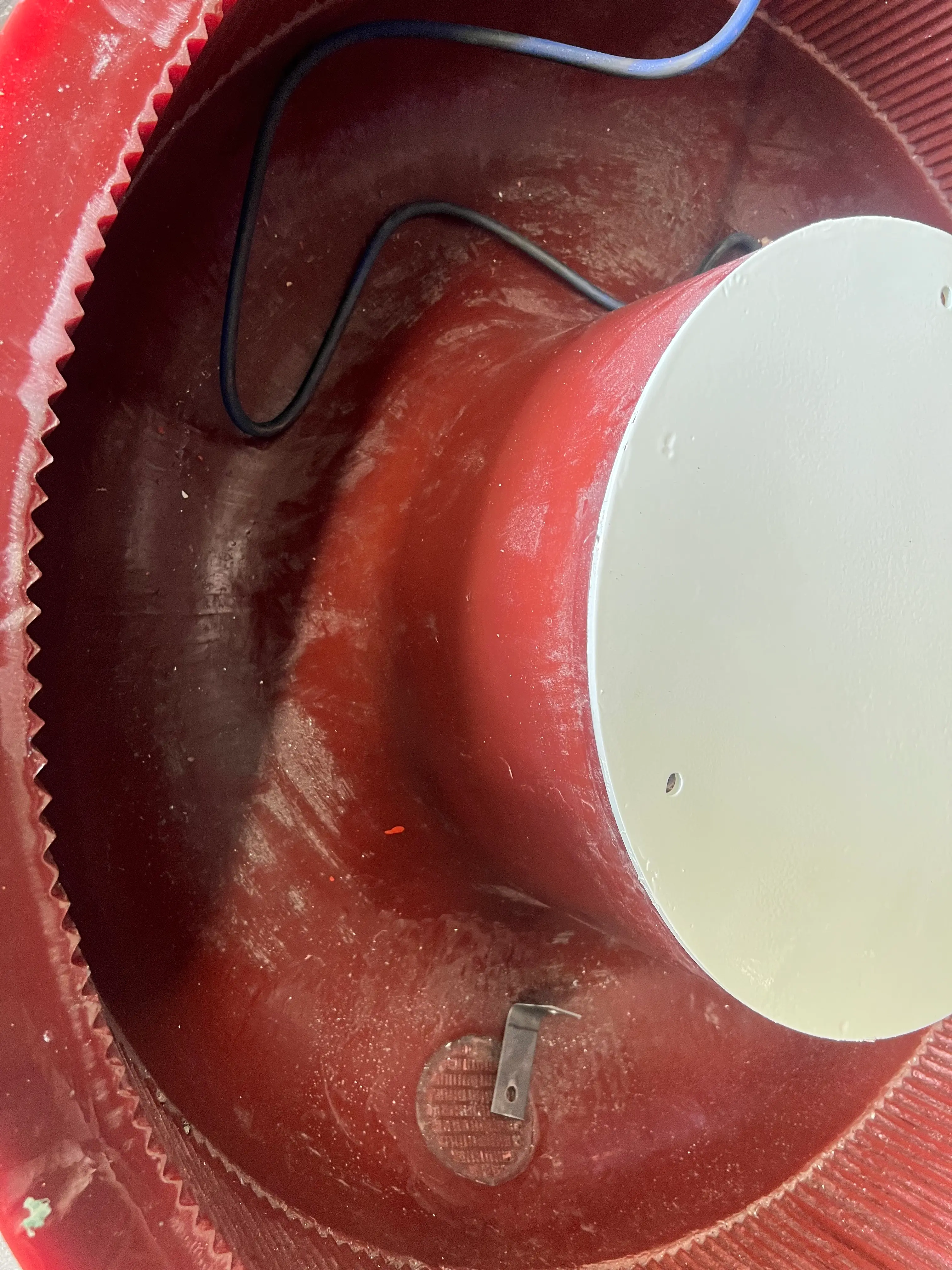
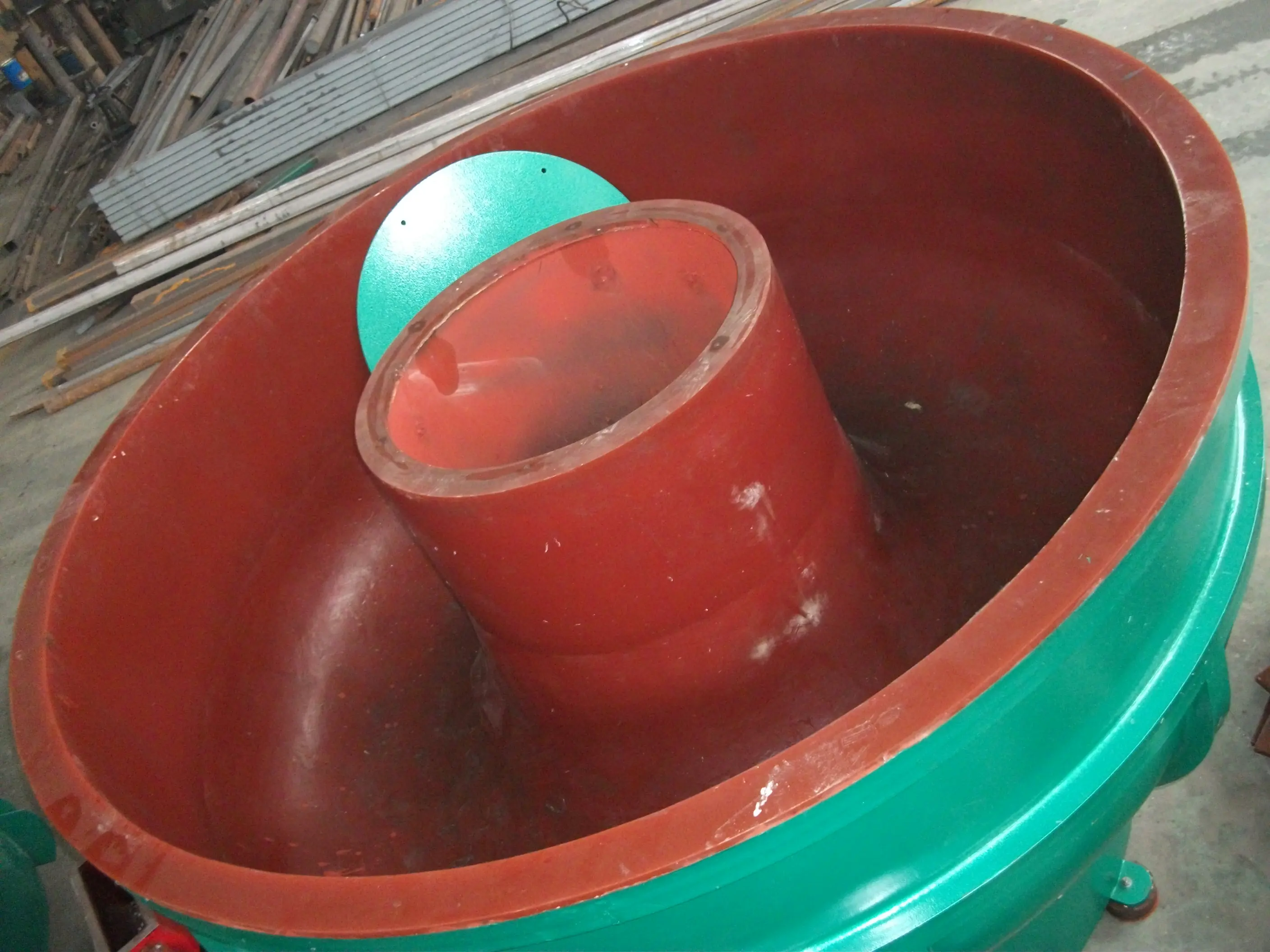
The bowl lining is hot-poured polyurethane made from Dow Chemicals (USA) raw material, cast using an automatic machine and cured at controlled temperature for 24 hours. The result is a 90 Shore D hardness sintered PU — significantly harder than cold-cast PU linings common in lower-cost machines. Higher Shore D hardness means better abrasion resistance against ceramic media and longer lining life before replacement. The straight-wall bowl geometry combined with this lining also accommodates pebble stones, river stones, and ceramic tiles as media — not possible in curved-wall bowls.
The straight-wall bowl has a wider usable working width than a curved-wall bowl of equivalent volume. This is the practical reason to choose the VB(B) over the VB(A) for large or heavy parts: gear housings, long shafts and large castings that would rest against the curved section in a VB(A) bowl sit flat on the straight bottom in a VB(B). The series runs from VB(B)30 (30 L, 0.5 kW) to VB(B)2500 (2500 L, 18.5 kW), covering everything from a small workshop test machine to a full production line finisher.
The VB(B) is the straight-wall bowl model in the Inovatec vibratory finisher range. The straight wall is the structural difference that matters for part selection: it gives a wider, flat working bottom that accommodates large, long and heavy parts — gear housings, shafts, large castings and stone/tile materials — which would contact the curved side wall in a VB(A) bowl and finish unevenly. Choose the VB(B) when your parts are large, heavy or require a flat-bottom working geometry. Choose the VB(A) when your priority is high-luster polishing and ball burnishing with the 3D toroidal media flow that the spiral bowl produces.
Hot-poured PU and a heavy-duty vibration motor are the primary components in our high-performance vibratory finishers. We make our polyurethane using raw materials sourced from Dow Chemicals, USA. We use an automatic casting machine to solidify the PU, then cure it at a controlled temperature for 24 hours.
The sintered PU has 90-D hardness, ensuring wear resistance and durable performance. We use heavy-duty motor from Shanghai Vibration Co. With proper maintenance, it can last more than five years.
Using a vibratory finisher VB (B) series machine will result in the following:
• Better wear resistance
• Electrical conductivity
• Brightness
• Corrosion resistance
• Paintability
• Bond to rubber
• Chemical resistance
• Harness

Watch our Surface finishing process in action. Learn more about our Surface finishing process technology.
Our mass finishing machine and tumbling media serve diverse industries with specialized finishing solutions for various materials and part types.
Engine components, transmission parts, brake systems
Turbine blades, landing gear, structural components
Fasteners, connectors, precision tools
Post-processing, surface refinement, finishing
Inovatec Machinery stands out as a trusted partner in surface finishing solutions, offering unmatched quality, innovation, and customer support.
Since 2003, we've been at the forefront of surface finishing technology, continuously innovating and improving our solutions based on real-world manufacturing needs.
We understand that every application is unique. Our engineering team works closely with you to design and configure machines that perfectly match your requirements.
With partners and service centers worldwide, we provide localized support and rapid response times regardless of your location.
We value your time. Our technical team responds to inquiries within 24 hours, ensuring you get the answers and support you need quickly.
Benefit from our expertise at no cost. We offer complimentary technical consultations to help you optimize your finishing processes and select the right equipment.
Over 500 satisfied customers across 50+ countries trust Inovatec for their surface finishing needs, with a 99% customer satisfaction rate.
Explore real applications by industry and scenario, with Before/After, sub‑categories and resources to help you quickly find what you need.
Jewelry | Precious Metals | Jewelry Polishing
Precision polishing, deburring and mirror finishing for gold, silver, copper and titanium jewelry—balancing premium surface quality with throughput.
Burrs on edges, surface scratches and oxidation spots reduce luster and wearing comfort.
Noticeably improved mirror gloss with rounded edges and better wearing comfort.
Additive Manufacturing | SLA/SLS/FDM
Removes layer lines, densifies surfaces and unifies appearance for 3D‑printed parts across materials and processes.
Pronounced layer lines, support marks and rough surface affect assembly and appearance.
Smooth, refined surface ready for painting/electroplating; presentation‑grade look.
Sheet Metal | Laser Cutting | Edge Optimization
Removes dross/burrs and adds edge radiusing on laser‑cut parts to improve safety and assembly quality.
Sharp, burred edges can cause cuts and hinder coating adhesion.
Consistent rounded edges and clean surfaces for better paint/e‑coat adhesion.
Consumer Electronics | Small Appliances | Exterior Parts
Delivers consistent texture and feel for high‑volume consumer products, improving brand perception and yields.
Uneven brushing, micro‑burrs and harsh feel affect assembly and user experience.
Uniform texture, smooth edges and refined touch; markedly better consistency.
Stone | Gemstone | Tumbling
Rounds edges and enhances gloss on natural/synthetic stones for jewelry and decorative crafts.
Sharp edges, rough surfaces and uneven color/reflection.
Rounded edges and even polish; improved visual appeal.
Automotive | Engine/Drivetrain | High‑volume Consistency
Deburring, edge radiusing and surface consistency for automotive parts to meet stringent standards.
Tool marks and residual burrs with sharp edges reduce fatigue strength and hinder assembly.
Stable edge radii and compliant roughness with high repeatability.
Defense | High Reliability | Process Consistency
High‑reliability, consistent surface finishing across metals and composites.
Sharp edges, stress concentrations and surface defects impact durability and safety.
Consistent chamfers and stable surface quality; coating/assembly‑ready.
Aluminum Profiles | Die‑cast Parts | High‑volume Finishing
Efficient, consistent finishing for aluminum parts; ideal for pre‑anodizing treatment and brushed/polished appearance.
Gate/flash marks and dull surfaces; notable batch variation.
Flash removed with refined texture and higher brightness; improved batch consistency.
Engineering Plastics | Injection‑molded Parts | Deflashing
Removes plastic flash and smooths edges to prevent scratching and improve assembly.
Visible flash and sharp edges affect feel and assembly.
Flash removed and corners smoothed; improved look and feel.
Enhance your mass finishing machine and tumbling media with our professional-grade accessories. Increase efficiency, reduce noise, and optimize your finishing process.
Get the most out of your mass finishing machine and tumbling media with our comprehensive accessory package. Our experts will help you select the right combination of accessories for your specific application needs.
Accessories designed to maximize machine efficiency and output quality
Reduce operational costs through improved efficiency and reduced waste
All accessories designed for seamless integration with your existing machine
Inovatec Machinery is committed to the highest standards of quality, safety, and reliability.
Quality Management System certified by international standards, ensuring consistent product quality.
European Conformity marking ensuring our machines meet EU safety standards.
Comprehensive testing and inspection reports from SGS.
Environmental protection standards compliance.
Since 2003, Inovatec Machinery has been at the forefront of surface finishing technology innovation.
Our machines are trusted by manufacturers worldwide and recognized at major industry exhibitions.
Regular participation in major industry exhibitions worldwide.
Strategic partnerships across major manufacturing regions.
Find answers to common questions about our products.
A vibratory finisher is an industrial machine used for deburring, polishing, descaling, and cleaning of metal, plastic, or ceramic parts. It works by shaking a bowl or tub containing the parts and abrasive media, creating a scrubbing action that smooths surfaces. This is a batch process, ideal for small to medium-sized components requiring uniform finishes.
A common starting point is 3:1 to 5:1 (media : parts by volume) for most deburring and general finishing.
Heavy deburring / sharp edges: start around 5:1 to improve separation and protect parts.
Light edge rounding / smoothing: 3:1–4:1 is often enough.
Polishing / burnishing: 4:1–6:1 helps keep parts isolated and improves consistency.
Rule of thumb: You want parts to be fully supported and separated by media during vibration. If parts touch too often, increase the media ratio or switch to a shape that separates better.
Choose a screen that:
Retains the parts (parts must not fall through), and
Lets media pass (media must discharge cleanly).
Practical sizing tips
For round holes, start with a hole diameter that is ~20–30% smaller than the parts’s smallest cross-section (so media stays in).
For slotted screens, slot width is typically smaller than the media thickness.
Manual separation (tilt + screen): best for small batches, many part types, low automation needs.
Integrated separator / external separator: best for higher throughput, repeat jobs, less labor.
Magnetic separation: ideal when using steel media or when removing ferrous fines.
Wet separation (rinse + separator): best when you need clean parts and want to reduce dust/compound residue.
If parts are getting stuck in the screen: reduce hole size variation, switch to a different screen geometry (slot vs round), or adjust amplitude to improve travel.
Use wet finishing when you want:
Faster deburring / cutting
Better cleaning & lower heat
Reduced dust
More stable surface quality (especially before coating, anodizing, plating)
Typical jobs: deburring, descaling, surface smoothing, pre-paint prep, general polishing.
Use dry finishing when you want:
Dry brightening / final shine (e.g., corn cob, walnut shell, treated media)
No water/effluent handling
Minimal risk of water spots or corrosion (on some parts)
Typical jobs: final polish on softer metals, cosmetic parts, some plastics.
Simple rule: if you’re removing burrs or doing serious cutting, go wet. If you’re doing “last-step shine,” go dry.
Cycle time depends on burr size, material hardness, media aggressiveness, and machine energy, but these are realistic starting ranges:
Deburring / edge break: 20–60 minutes (light burrs)
Heavy burrs or hard materials can be 60–180 minutes.
Smoothing / surface refinement: 45–120 minutes
Polishing (wet, with fine media/compound): 60–180 minutes
High-gloss / burnishing (steel media): 30–90 minutes (often after a separate deburr step)
Dry polishing (organic media): 1–4 hours depending on gloss target
Best practice is a short test run (e.g., 15–20 minutes), inspect, then scale.
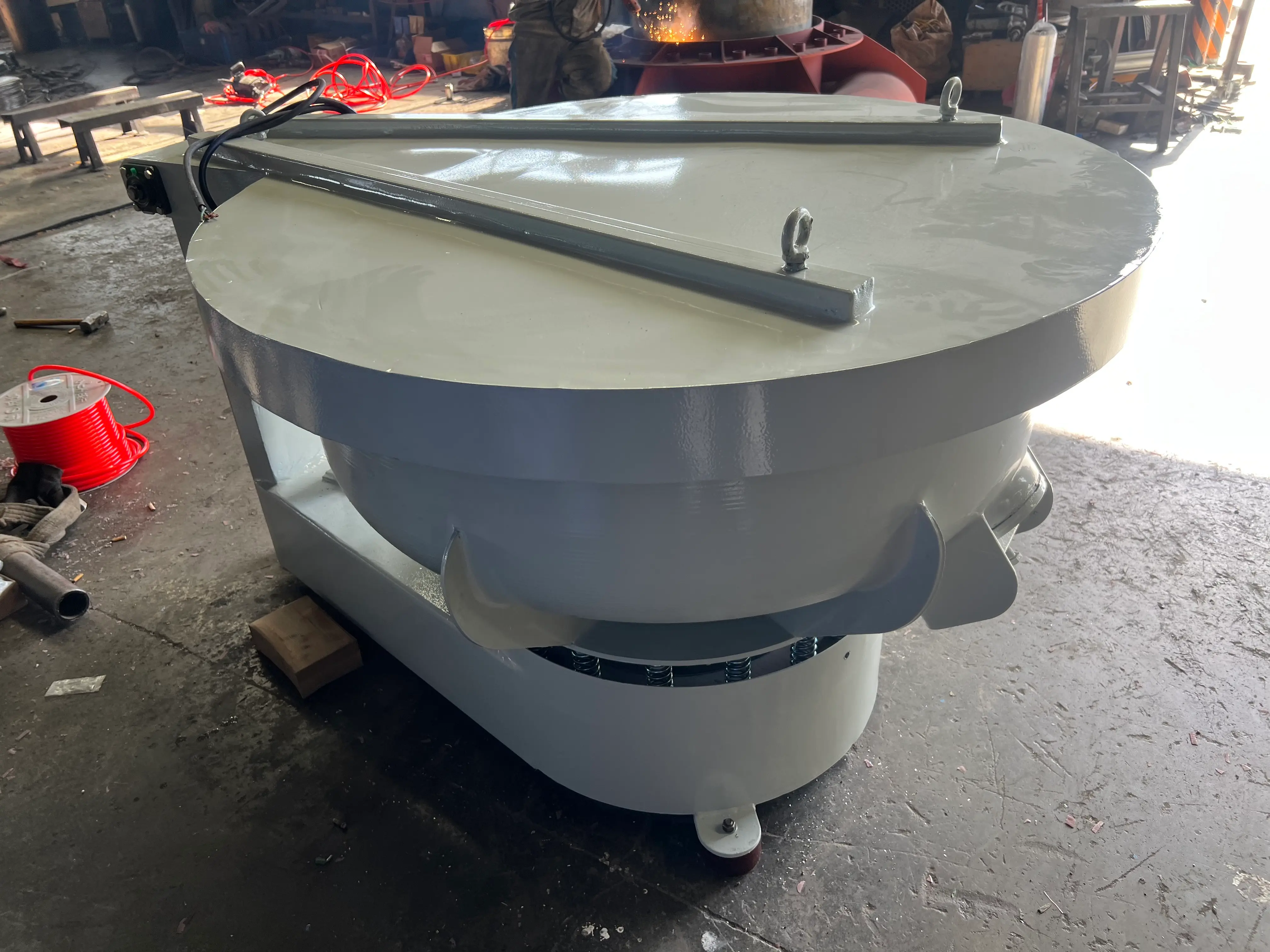
An acoustic noise lid typically gives the biggest drop in airborne noise because it blocks the direct sound path. It also helps control splash (wet finishing) and dust (dry finishing).
You can often reduce noise further by:
Mounting on vibration isolators or proper rubber pads
Ensuring the machine is level (uneven feet amplify vibration/noise)
Keeping PU lining in good condition (worn areas increase impact noise)
Avoiding “overloading” (too many parts increases metal-on-metal impacts)
Using more media / better separating shapes to reduce part-to-part contact
For wet finishing: keep correct water flow and compound—dry-running increases noise
Practical takeaway: lid + correct media load + proper leveling = usually the most noticeable improvement.
Ready to improve your finishing process? Contact our experts for a personalized quote and technical consultation.
Fill out the form below and our team will contact you within 24 hours.
Prefer to contact us directly? Choose your preferred method.
Ready to experience the Inovatec difference? Contact our team for personalized solutions.
399# Shushan Road, Wuxing District, Huzhou City, Zhejiang Province, 313000 China
6317 Arcadia St, Eastvale, CA 92880 USA (323-577-3309)
Read reviews and see our business information on Google.
View Google Business