 English
 Español
 Français

Selecting the right vibratory finishing equipment manufacturer in China can feel overwhelming. Many suppliers look similar online, yet the difference shows up later—in finish consistency, machine uptime, spare parts, and real after-sales support.
A vibratory finishing system is not a “one-time purchase.” It’s a production investment. The right manufacturer helps you reduce labor, improve surface quality, and scale your finishing capacity with confidence. The wrong one can cost months in trial-and-error.
Below is a practical, factory-focused checklist to help you choose the right partner—especially when buying overseas.
1. Verify real manufacturing capability + QC system (not just a trading company)
A reliable manufacturer should be able to prove:
In-house production (welding, machining, assembly)
A documented QC workflow (incoming inspection → in-process → final testing)
Test records for motor, vibration performance, electrical safety, and liner quality
What to ask for
Factory videos + workshop photos from the same day
QC checklist samples
Serial-number tracking & test reports
If a supplier can’t show how they control quality, the quality is likely uncontrolled.

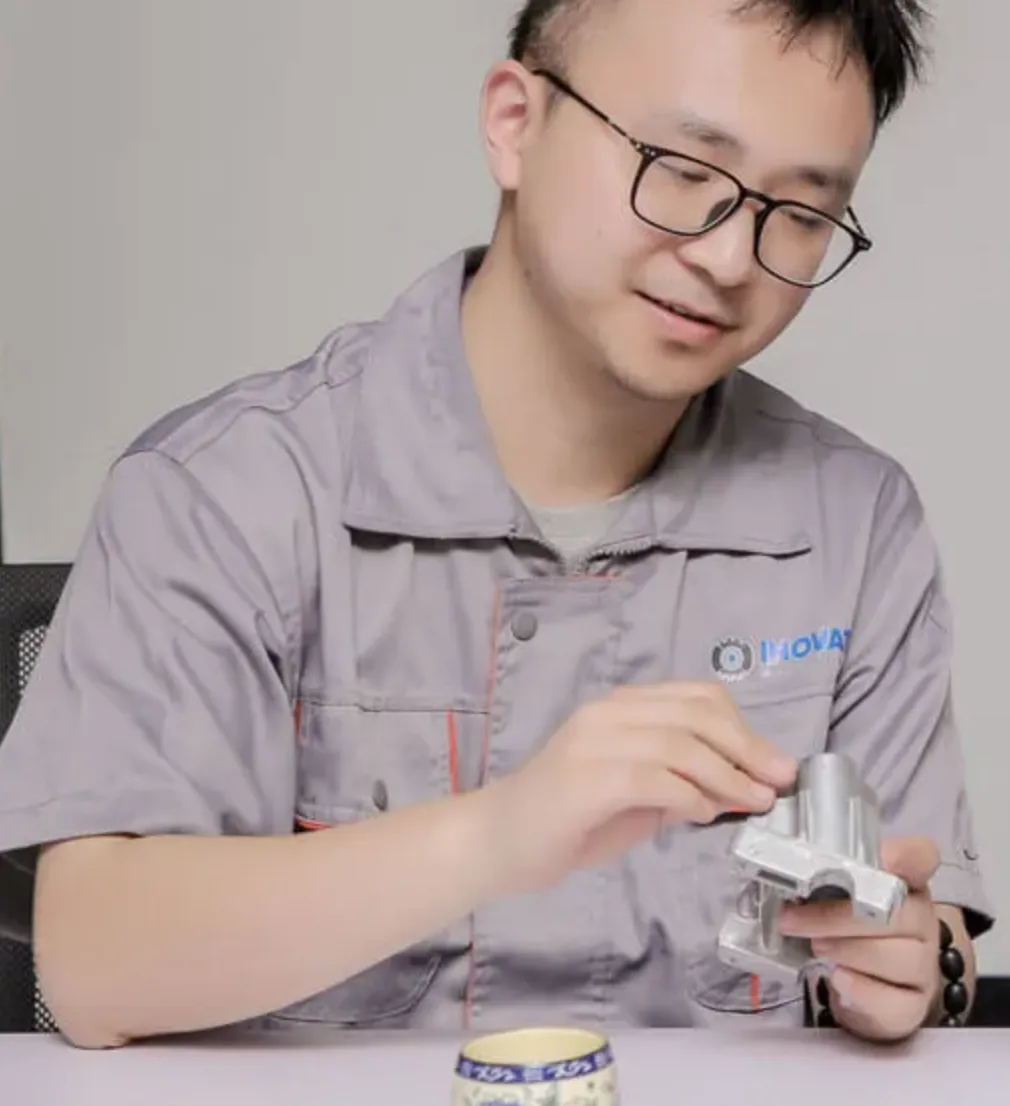
CNC components milling machine
2) Evaluate total cost competitiveness (not only machine price)
China is competitive because of supply chain efficiency and manufacturing scale—but comparing only the machine price is risky.
A better comparison is Total Cost of Ownership (TCO):
Machine price + consumables + power + maintenance + downtime
Media life and compound consumption
Spare parts lead time and warranty coverage
Reality check example: similar capacity machines can vary hugely in price in different markets, even when performance looks close on paper. What matters is whether the design is stable, durable, and supported long-term.

Cost-effectiveness when importing from China
3) Confirm R&D strength and customization ability
Many finishing lines fail because the system is “generic,” not matched to your parts.
A capable manufacturer should support customization such as:
bowl size & lining material (PU/ rubber options)
separation solutions and discharge controls
Good sign: the supplier asks detailed questions about your parts (material, burr type, surface target, throughput, current process pain points) before quoting.


4) Choose a one-stop supplier: machine + media + compound + process support
Finishing results are a system outcome, not only a machine outcome.
If you buy machine, media, and compound from separate sources:
troubleshooting becomes slow (“not our problem”)
process tuning becomes expensive
finishing consistency becomes harder to stabilize
A strong China manufacturer should be able to provide:
vibratory machines + separation + drying options
compound recommendation
process parameters and trial support
This reduces risk and speeds up your ramp-up.

5) Check compliance: CE / ISO and export-ready documentation
If you import into Europe, the Middle East, or many regulated markets, compliance is not optional.
Ask for:
CE declaration + related technical files (where applicable)
wiring diagrams, manuals, spare parts list
packing list, commercial invoice templates, HS code support if needed
Don’t accept “yes we have CE” without proof.
 5) After-sales support is the difference between success and downtime
Industrial equipment requires:
remote troubleshooting
wear-part replacement guidance
spare parts availability
parameter tuning after installation
Ask directly
Do you have a dedicated after-sales engineer team?
Typical response time (24h? 48h?)
What spare parts are recommended to stock?
Can you provide installation guidance and training?
Overseas buyers need support that’s structured and predictable.
| Phase | Step | Details |
|---|---|---|
| Before Service | Step 1 | One-on-one free project consultation & designing & free cost evaluation |
| Step 2 | Free sample testing and recommendations | |
| Step 3 | Order confirmed | |
| In-service | Step 4 | Deposit in & machine production on |
| Step 5 | Machine inspection and installation and operation training conducted | |
| Step 6 | Vibratory finishing mass production experience provided | |
| Step 7 | Machinery settled for standard wooden cases packaging | |
| Step 8 | Balance received & machinery delivery | |
| After-service | Step 9 | Machinery Transportation |
| Step 10 | Long-distance guidance for installation and operation | |
| Step 11 | Life-machinery maintenance service |
7) Favor manufacturers with 15–20+ years of finishing experience
Vibratory finishing looks simple, but stable results require deep know-how:
vibration design
lining durability
separation behavior
media/compound matching across different metals
Long-term manufacturers usually have:
proven designs across industries
better process databases
more stable supply chain for liners/motors/electrics

8) Select machines with practical customized options
- a) Soundproof cover (noise reduction): Helps meet workshop noise limits and improves operator comfort.
- b) Automatic dosing pump (stable compound feed): Reduces manual errors and improves consistency batch to batch
- c) Separation flap / separation screen: Saves labor and reduces media loss during unloading.
- d) Practical control box configuration: Floor-standing or wall-mounted options based on your workshop layout.
9) Review terms carefully: warranty, scope, acceptance, and responsibilities
Before paying, confirm:
warranty period and what’s included/excluded
acceptance standard (what is considered “qualified”)
commissioning support scope
replacement parts policy
dispute handling and governing terms
If terms are unclear, the risk shifts to the buyer.

10) Logistics, packing, and payment terms: reduce import risk
A professional manufacturer should provide:
export-grade packing (wooden case, anti-rust protection)
clear delivery terms (EXW/FOB/CIF/DDP)
shipping documents and support for customs clearance
safe payment options and milestone terms
Good logistics capability is part of being a reliable supplier.

Quick Buyer Checklist (Copy/Paste)
Use this checklist when comparing suppliers:
Factory proof: workshop video, machining/assembly capability
QC proof: test process + records + final inspection standard
R&D ability: can customize based on parts/process target
One-stop solution: machine + media + compound + parameters
Compliance: CE/ISO documents and manuals
After-sales: response time, spare parts plan, training support
Experience: proven references and years in mass finishing
Options: sound cover / dosing pump / separation / control box
Terms: warranty + acceptance + support scope clearly written
Export readiness: packing, shipping docs, payment terms
FAQ
Q1: How do I know the manufacturer is not a trading company?
Ask for factory videos, machining/assembly workshop proof, QC workflow, and real serial-number testing records.
Q2: What matters more—machine price or finishing result?
Finishing result and uptime matter more. A cheap machine with unstable finish or frequent downtime costs more over time.
Q3: Should I buy media and compound from the same supplier as the machine?
If possible, yes—especially for overseas buyers. It reduces troubleshooting time and improves process stability
Conclusion
The best vibratory finishing equipment manufacturer in China is the one that can prove quality control, deliver consistent finishing results, and support you after installation. Use the checklist above to avoid trial-and-error and select a supplier you can scale with.
Need help choosing the right model?
Send your part details (material, size, quantity per batch, target finish, current problems). A good manufacturer should reply with a recommended machine + media + compound + starter parameters.