 English
  Español
  Français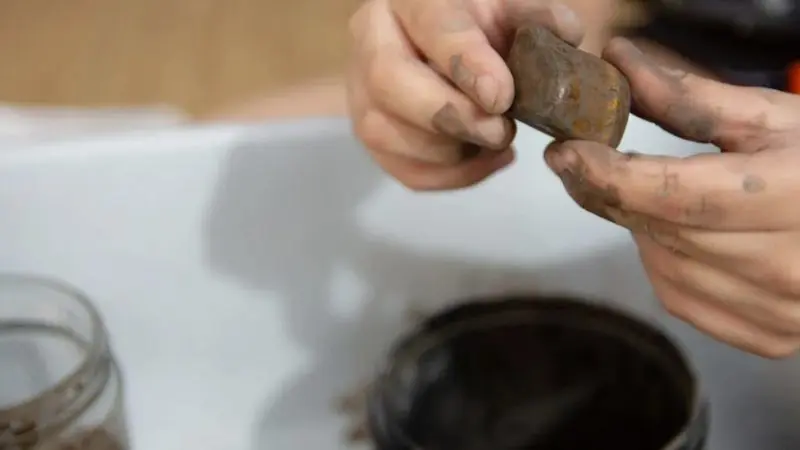
Rock tumbling is a practice developed with the aim of polishing and smoothening rocks. This process typically involves mixing rocks with abrasive substances including grit and slurry.
The grit used is a powder that is made of silicone carbide and when water is introduced turns to a slurry.
The slurry produced by this process is not toxic, however, there are recommended practices that should be observed when disposing of this residue. The tips you should consider for this activity are;
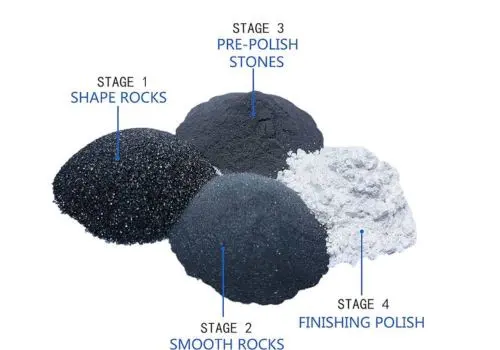 Rock Tumbler Grit
| Method | What to do | Why it matters |
|---|---|---|
| Let it evaporate (best option) | Collect the grit/slurry in a container and let it sit until fully dry, then discard the dry solids in a bag or disposable container. | Dry solids are easier to handle and dispose of cleanly. |
| Settle & decant (faster option) | Pour the mixture into a large container, let solids settle, then carefully pour off the top water and throw the remaining sludge in the trash. | Reduces liquid volume and makes disposal easier. |
| Never use drains | Do not pour slurry into sinks, toilets, floor drains, or any plumbing. | Thick slurry can harden and clog pipes. |
| Dispose outdoors (if allowed) | Dig a small hole, pour the slurry into it, then cover it; or place it in a corner of the yard away from the house. | Keeps slurry out of plumbing and away from indoor areas. |
| Reuse (if only used once) | Let it dry and reuse the grit/slurry, adding a small amount of fresh grit as the tumbling progresses. | Saves grit and reduces waste. |
| Use a gravel area | If you have gravel ground, that’s a good place to dispose of small amounts of slurry. | Generally non-toxic and less likely to create a mess. |
Conclusion
Safety is another factor that should be taken into consideration when undertaking this activity. Wearing protective clothing, using selected containers, and disposing in an appropriate location will minimize any untidiness in your work area and your surroundings.